An ACL tear can happen in a single instant: a quick pivot on the basketball court, an awkward landing after a jump, or a sudden stop during a weekend run. For many active New Yorkers, that moment is followed by swelling, instability, and a lot of questions about what comes next.
If you are searching for ACL tear treatment in Downtown NY or anywhere in the five boroughs, this guide will walk you through what an ACL injury actually is, how it is diagnosed, what your treatment options look like, and how to choose the right specialist. Our team at M&S Vascular and Orthopedic Group P.C., located in Forest Hills, Queens, cares for patients from across the New York metro area, including those commuting in from Downtown Manhattan.
What Is the ACL and Why Does It Matter?
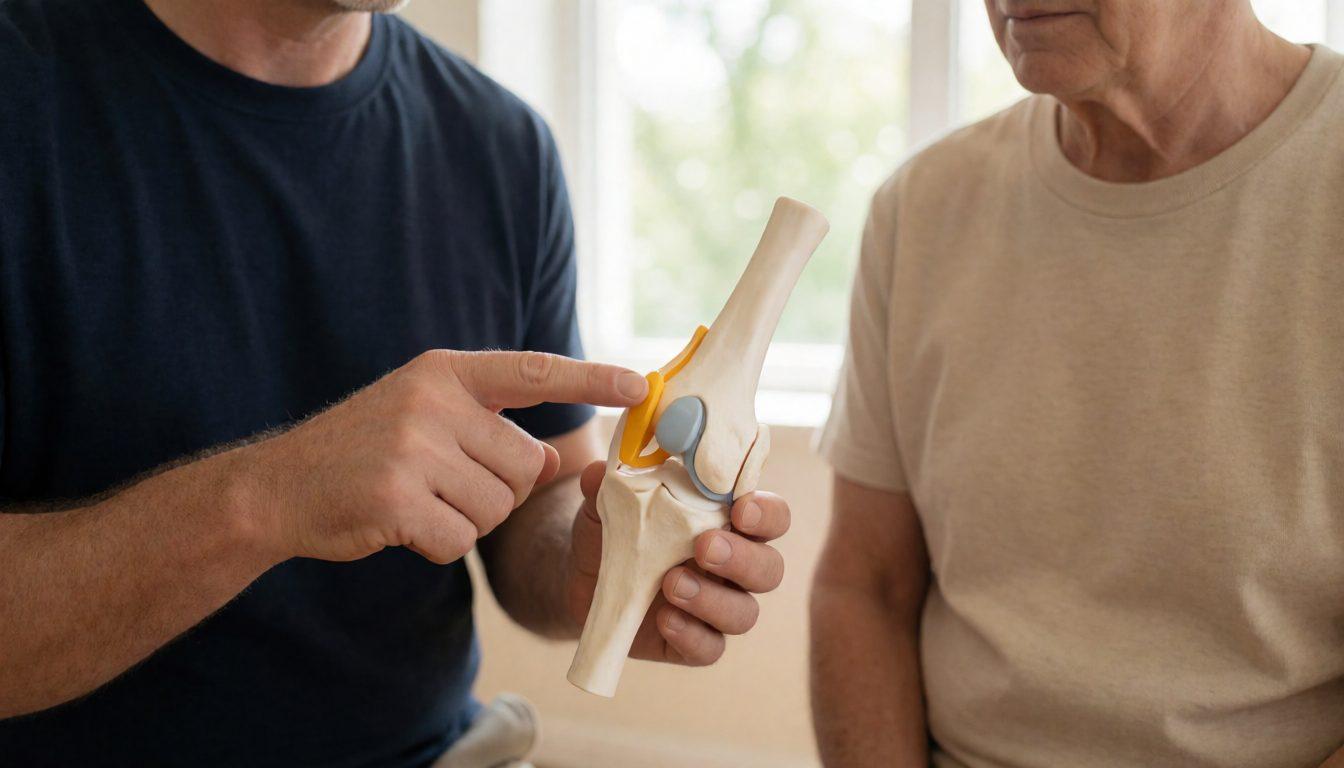
The anterior cruciate ligament, or ACL, is one of the major ligaments in the center of your knee. It connects the thighbone to the shinbone and helps stabilize the joint during twisting, cutting, and pivoting movements.
When the ACL stretches too far or tears completely, the knee can feel loose or give way unexpectedly. Because the ACL has a limited blood supply, complete tears often do not heal on their own, which is why proper evaluation matters so much.
ACL injuries are common among athletes, but they are not limited to sports. Slips on icy sidewalks, car accidents, and workplace falls can all cause the same injury.
Common Symptoms of an ACL Tear
Many people describe hearing or feeling a "pop" in the knee at the moment of injury. That sensation is often followed by other telltale signs.
Watch for these symptoms after a knee injury:
- A popping sound or sensation at the time of injury
- Rapid swelling within the first few hours
- A feeling of instability, as if the knee might buckle
- Difficulty bearing weight or walking
- Loss of full range of motion
- Pain along the joint line, especially with twisting
Swelling that appears quickly is particularly significant. It usually indicates bleeding inside the joint, which often points to an ACL injury rather than a minor sprain.
If your knee feels unstable days or weeks later, even if the initial pain has faded, it is worth getting evaluated. Chronic instability can lead to further damage to the meniscus and cartilage over time.
How an ACL Injury Is Diagnosed
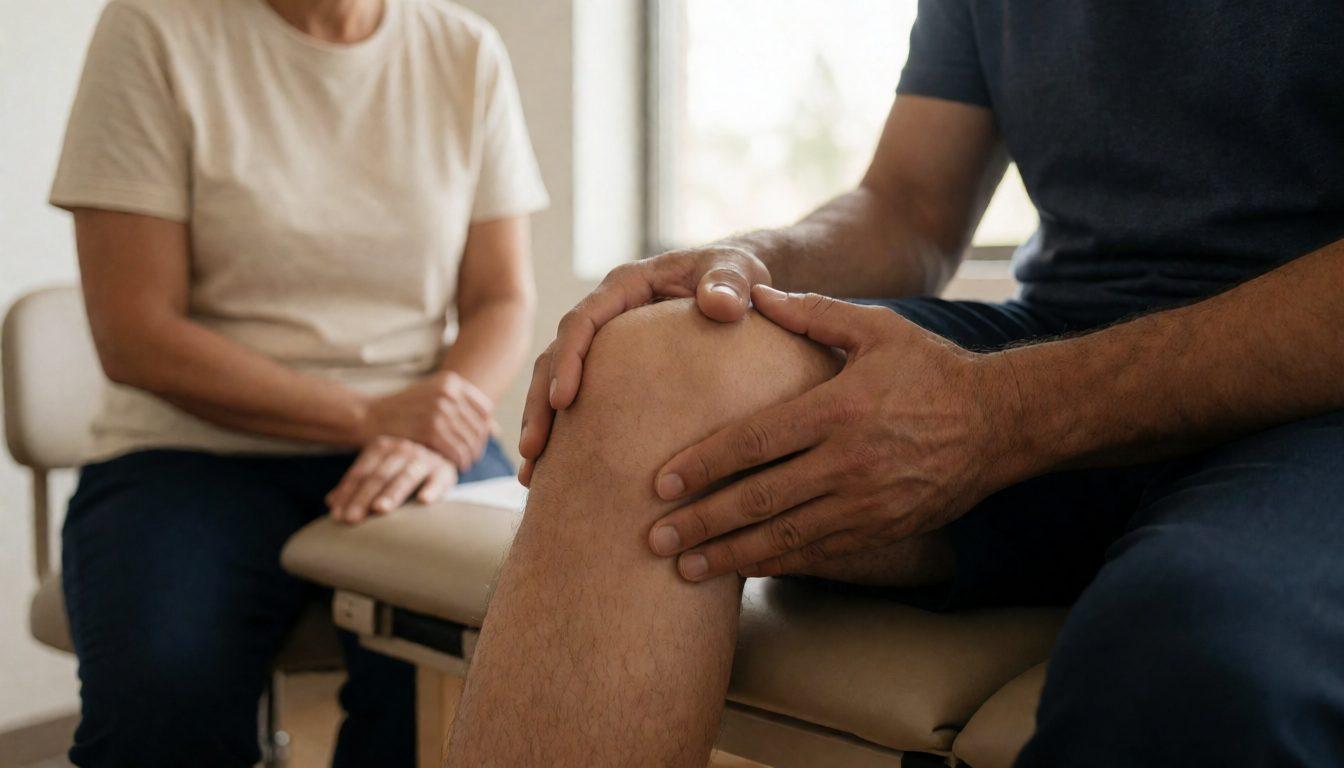
Diagnosis begins with a detailed conversation about your injury and a hands-on physical examination. During the exam, your provider may perform specific maneuvers, such as the Lachman test or the pivot-shift test, to assess the looseness of the ligament.
Imaging plays an important role as well. X-rays help rule out fractures, while an MRI provides a detailed view of the ligaments, menisci, and cartilage. MRI is the gold standard for confirming an ACL tear and identifying any accompanying injuries, which occur in a significant number of cases.
At M&S Vascular and Orthopedic Group P.C. in Forest Hills, patients receive a thorough evaluation so that every part of the injury is understood before treatment begins.
Non-Surgical Treatment Options
Not every ACL tear requires surgery. The right path depends on the severity of the tear, your age, your activity level, and whether other structures in the knee are injured.
Non-surgical approaches may include:
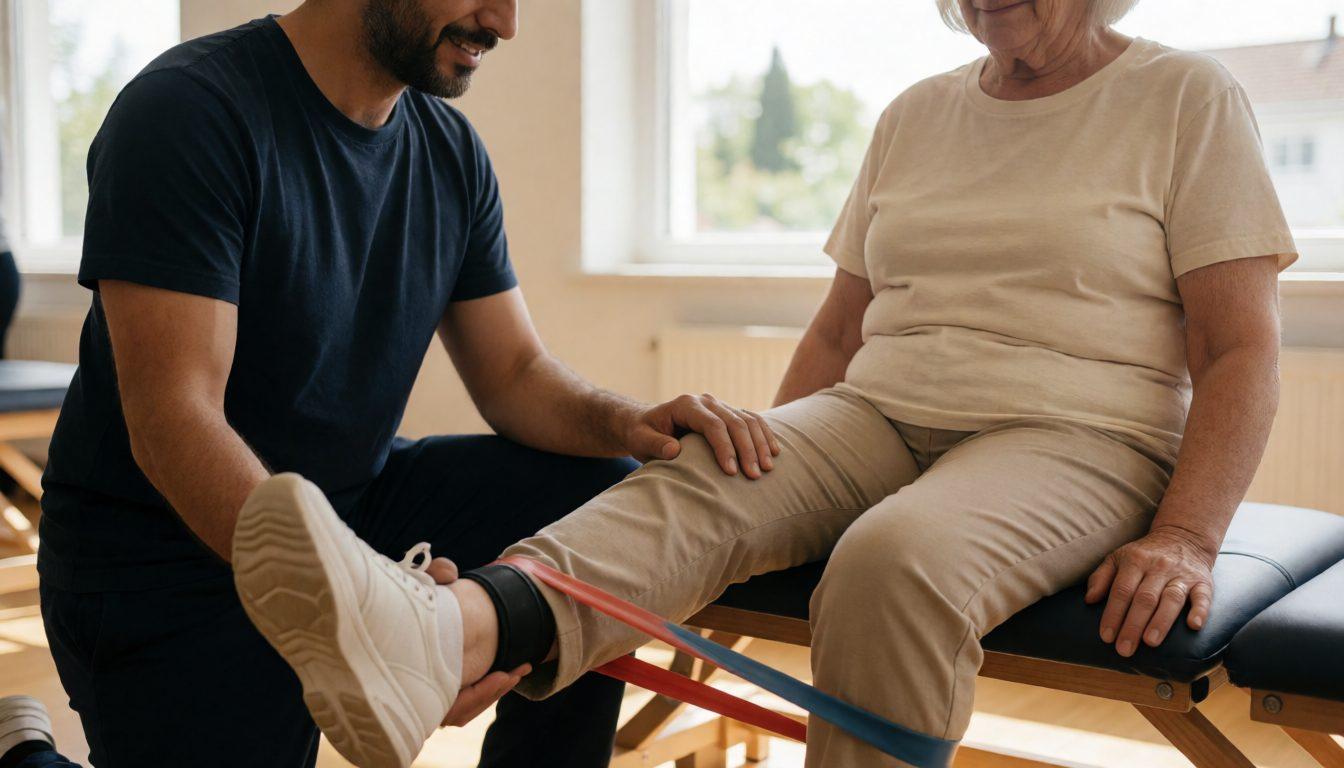
- Physical therapy: Targeted exercises strengthen the quadriceps and hamstrings, which help compensate for the damaged ligament and improve stability.
- Activity modification: Avoiding pivoting and cutting movements can protect the knee during healing.
- Bracing: A knee brace can provide added support during daily activities.
- Anti-inflammatory measures: Ice, elevation, and appropriate medications can help manage pain and swelling in the early phase.
People with partial tears, sedentary lifestyles, or lower-demand activities often do well without surgery. The key is an honest conversation with a specialist about your goals, whether that means returning to competitive sports or simply walking comfortably around your neighborhood.
Surgical Treatment: ACL Reconstruction
For complete tears in active individuals, ACL reconstruction is often recommended. This procedure replaces the torn ligament with a graft, which may be taken from your own patellar tendon, hamstring tendon, or quadriceps tendon, or in some cases from a donor.
Dr. Mehran Manouel, our board-certified orthopedic surgeon specializing in sports medicine, performs ACL reconstruction using modern, minimally invasive arthroscopic techniques. Arthroscopy uses small incisions and a tiny camera, which typically means less tissue disruption compared with open surgery.
During the procedure, the surgeon removes the damaged ligament remnants, drills small tunnels in the bone, and secures the graft in place. Over the following months, the graft gradually integrates and matures into a functioning ligament.
Surgery is usually not performed immediately after injury. Most surgeons wait until swelling has subsided and range of motion has improved, which often takes a few weeks of prehabilitation. This preparation has been shown to support a smoother recovery after surgery.
What Recovery Really Looks Like
Recovery from ACL reconstruction is a marathon, not a sprint. Knowing what to expect helps patients stay committed through each phase.
A typical recovery timeline includes:
- Weeks 1 to 2: Managing swelling and pain, restoring full extension, and beginning gentle range-of-motion exercises. Most patients walk with crutches initially.
- Weeks 2 to 6: Progressive strengthening, weaning off crutches, and beginning stationary cycling.
- Months 2 to 4: Continued strength work, balance training, and light jogging when cleared.
- Months 4 to 6: Running progression, agility drills, and sport-specific exercises.
- Months 6 to 9 and beyond: Return-to-sport testing and gradual reintegration into competition.
Physical therapy is the backbone of recovery. Patients who commit to their rehab program consistently achieve better stability and function. Skipping steps or returning to sports too early raises the risk of re-injury, so patience truly pays off.
Choosing the Right Specialist for Your Knee Injury
The provider you choose shapes your entire experience, from diagnosis through recovery. Here is what to look for:
- Board certification and fellowship training in orthopedic surgery or sports medicine
- Experience with arthroscopic ACL reconstruction and a clear explanation of the recommended approach
- Access to on-site diagnostics, so imaging and evaluation happen efficiently
- A coordinated care team, including physical therapy resources
- Clear communication about your options, including non-surgical paths
At M&S Vascular and Orthopedic Group P.C., patients benefit from a unique combination of specialties under one roof. Dr. Manouel leads orthopedic and sports medicine care, while Dr. Amir Salem, our interventional radiologist and vascular specialist, offers advanced image-guided treatments for pain and vascular conditions. This collaborative model means complex cases are viewed from multiple angles.
Our Forest Hills office is conveniently located for patients throughout Queens and is easily reachable from Manhattan, including Downtown NYC, via the subway and Long Island Rail Road.
Frequently Asked Questions
Can an ACL tear heal without surgery?
Partial tears sometimes heal with bracing and physical therapy. Complete tears rarely heal on their own, though some people function well without surgery if they avoid high-demand activities. An evaluation is the best way to know which category applies to you.
How soon after injury should I see a doctor?
Ideally within the first few days. Early evaluation helps manage swelling and allows for accurate diagnosis before scar tissue and stiffness develop.
Is ACL surgery painful?
Some discomfort is expected in the first days after surgery, but it is typically well managed with a prescribed pain plan. Most patients transition to over-the-counter options within a couple of weeks.
Will my knee ever feel normal again?
Many patients return to their previous activities, including sports, after completing rehabilitation. Individual results vary based on the injury, the procedure, and commitment to therapy, and no outcome can be guaranteed.
Take the First Step Toward a Stable Knee
Living with an unstable knee is frustrating and risky. Whether your injury happened last weekend or last year, an accurate diagnosis is the foundation of effective ACL tear treatment in Downtown NY and throughout the New York area.
The team at M&S Vascular and Orthopedic Group P.C. in Forest Hills, Queens, is ready to help you understand your options and build a plan that fits your life.
Call us today at (718) 897-2228 or visit https://www.msorthovasc.com to schedule your consultation. Your knees carry you through life. Let us help you keep them strong.