Introduction: Understanding Your ACL Injury
An ACL tear is one of the most common and often most disruptive knee injuries a person can experience. Whether it happens on a basketball court, during a weekend soccer game, or from an awkward landing on a staircase, the moment it occurs is usually unmistakable. Many patients describe hearing or feeling a "pop" in the knee, followed by swelling, instability, and difficulty bearing weight.
If you are searching for ACL tear treatment in Canarsie, NY, you likely want answers to two questions: how serious is your injury, and what can be done about it? At M&S Vascular and Orthopedic Group P.C., we help patients from Canarsie and throughout Brooklyn and Queens navigate those exact questions every day. Our practice brings together orthopedic and vascular expertise under one roof, which means your knee injury can be evaluated comprehensively, from the ligament itself to the surrounding circulation and soft tissue.
In this guide, we will walk you through what the ACL does, how tears happen, what symptoms to watch for, what treatment options look like, and how to choose the right provider for your recovery.
What Is the ACL and Why Does It Matter?
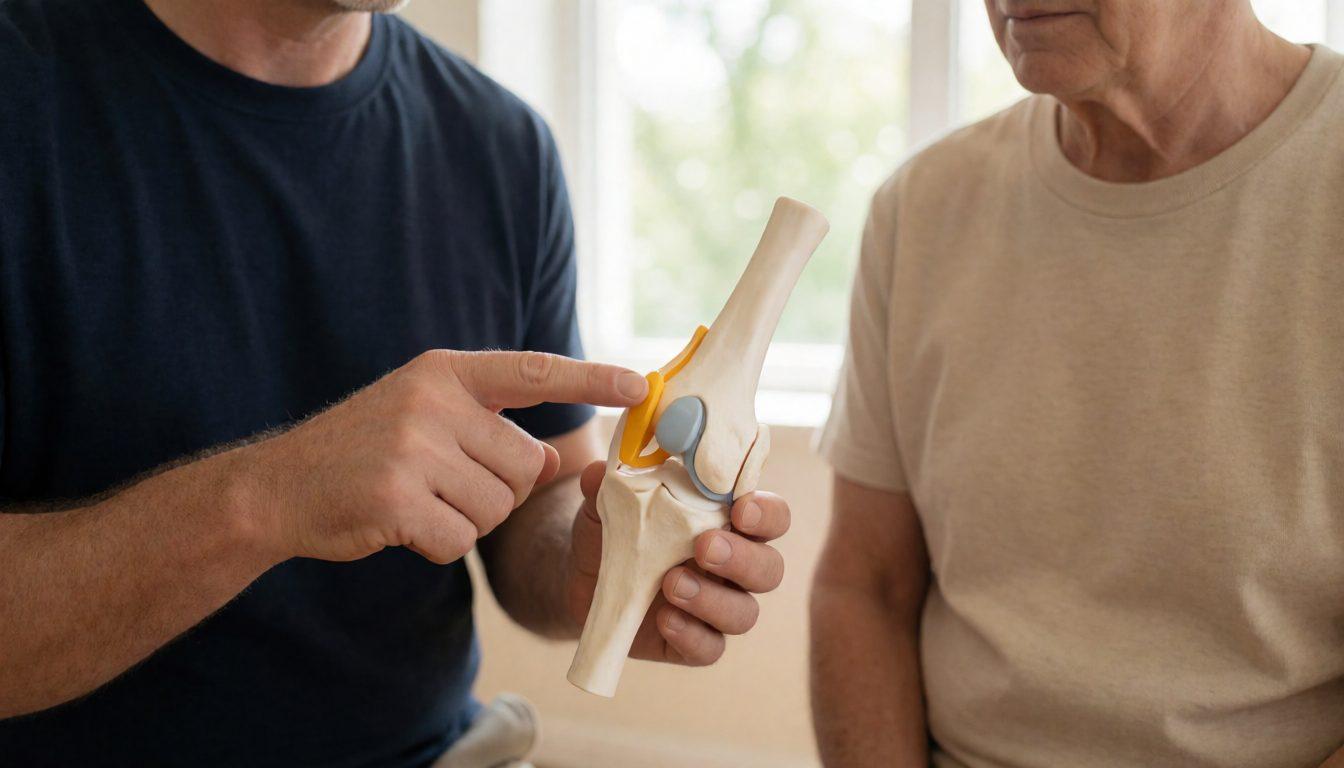
The ACL, or anterior cruciate ligament, is one of the four major ligaments that stabilize your knee joint. It runs diagonally through the middle of the knee, connecting the thigh bone (femur) to the shin bone (tibia). Its primary job is to prevent the shin bone from sliding too far forward under the thigh bone, and to control rotation of the knee.
Because the ACL plays such a central role in knee stability, even a partial tear can affect how you walk, pivot, and climb stairs. A complete tear often makes the knee feel like it might "give out" during everyday movement, not just during sports.
ACL injuries are especially common among athletes in sports that involve sudden stops, rapid direction changes, and jumping, such as basketball, soccer, football, and skiing. However, you do not need to be an athlete to tear your ACL. Slips, falls, and work related accidents can cause the same injury.
Common Symptoms of an ACL Tear
Recognizing the signs of an ACL injury early can make a real difference in your treatment timeline. The most frequently reported symptoms include:
- A popping sensation or sound at the moment of injury
- Rapid swelling, often within the first few hours
- A feeling of instability, as if the knee may buckle
- Loss of full range of motion
- Pain when walking, especially when pivoting or turning
- Difficulty bearing weight on the affected leg
It is important to note that not every knee injury is an ACL tear. Meniscus injuries, MCL sprains, patellar dislocations, and arthritis flare ups can produce similar symptoms. That is why an accurate diagnosis from an experienced orthopedic specialist is the essential first step. Dr. Mehran Manouel, our orthopedic surgeon specializing in sports medicine at our Forest Hills office, has extensive experience distinguishing between these conditions and identifying the true source of knee pain.
What to Expect at Your First Appointment
Many patients delay care because they are unsure what an evaluation involves. The process is typically straightforward and far less intimidating than most people expect.
Medical History and Physical Examination
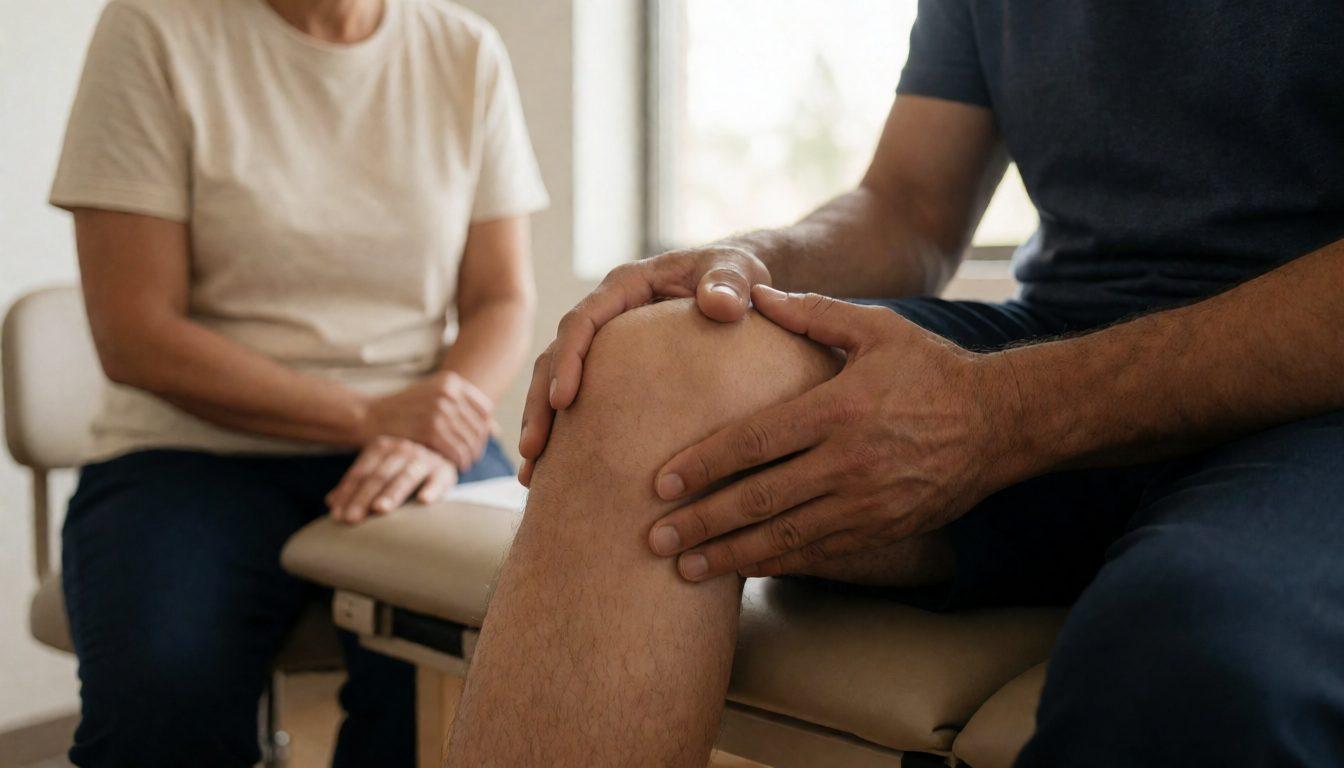
Your visit begins with a conversation about how the injury happened, your symptoms, and your activity goals. Then the doctor performs hands on knee stability tests, such as the Lachman test and the pivot shift test, which assess the integrity of the ACL. These physical exams are often quite revealing on their own.
Imaging Studies
To confirm the diagnosis and check for associated injuries, imaging is usually recommended. An MRI provides detailed images of soft tissues, including the ACL, menisci, and cartilage. X rays may be used to rule out fractures. At our practice, patients from Canarsie and the surrounding neighborhoods can have imaging coordinated conveniently, avoiding the delays that come with being referred to multiple separate facilities.
Discussion of Your Options
Once a diagnosis is confirmed, your doctor will explain your options clearly, answer your questions, and help you weigh factors such as your age, activity level, and long term goals. You should never feel rushed or pressured into a particular treatment path.
Non-Surgical Treatment Options for ACL Tears
Not every ACL tear requires surgery. The right approach depends on the severity of the tear, whether other structures in the knee are damaged, and how active you intend to be.
Non-surgical management may include:
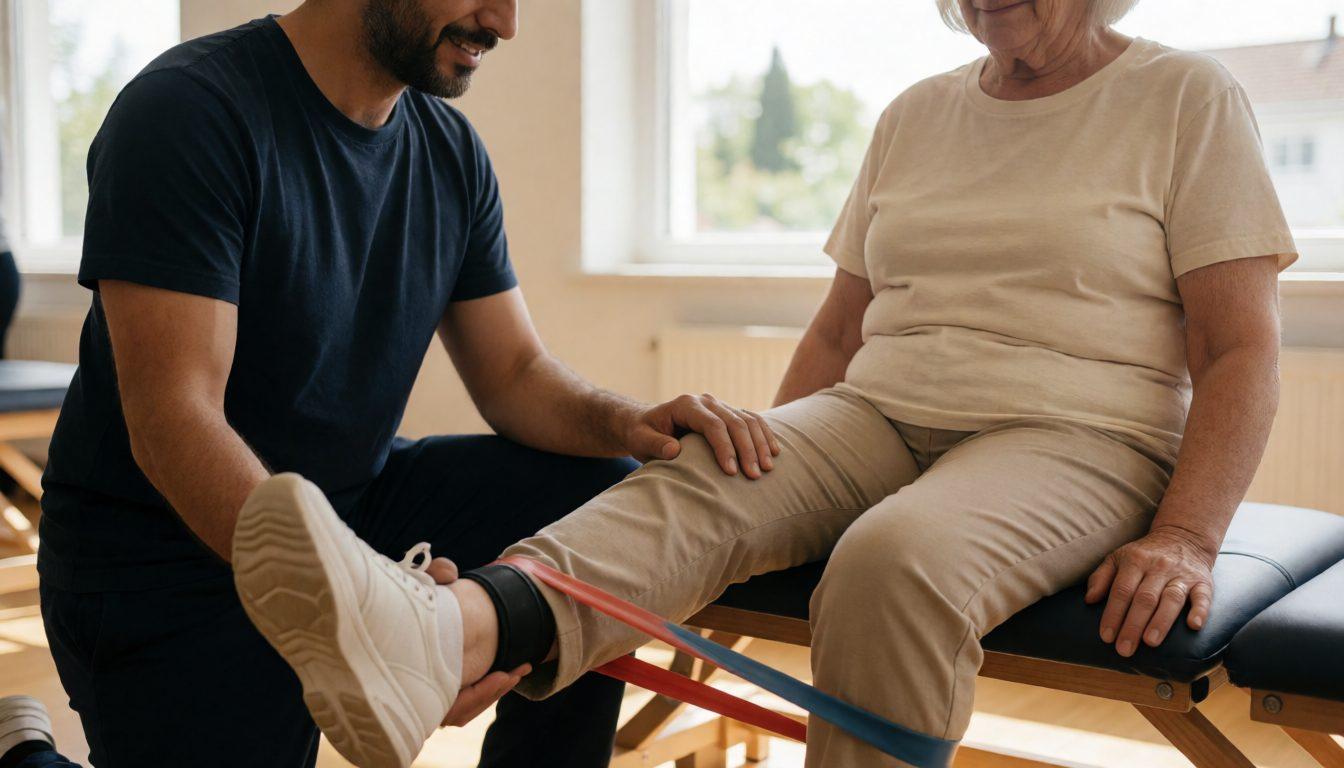
- Physical therapy: A structured rehabilitation program can strengthen the muscles around the knee, particularly the quadriceps and hamstrings, which help compensate for ligament laxity.
- Activity modification: Avoiding pivoting and cutting movements can protect the knee from episodes of instability.
- Bracing: A knee brace can provide additional support during daily activities.
- Anti-inflammatory measures: Ice, elevation, and appropriate medications can help manage pain and swelling during the healing phase.
Patients with partial tears, sedentary lifestyles, or lower demand activities often do well without surgery. Dr. Manouel evaluates each case individually and will be honest with you about whether surgery is likely to benefit your specific situation.
Surgical Treatment: ACL Reconstruction
For complete tears, or for patients who want to return to sports involving cutting and pivoting, ACL reconstruction is often recommended. This procedure replaces the torn ligament with a graft, which may be taken from your own tissue (such as the patellar tendon or hamstring tendon) or from donor tissue.
Modern ACL reconstruction is typically performed arthroscopically, using small incisions and a camera to guide the surgery. This minimally invasive approach generally means less tissue disruption than traditional open surgery. Dr. Manouel performs these procedures with careful attention to both the ligament reconstruction and any coexisting injuries, such as meniscus tears, which are present in a significant percentage of ACL injuries.
It is important to understand that surgery is one part of the equation. Commitment to post-operative rehabilitation is just as critical to the final result, and our team will guide you through every phase of that process.
Recovery: What the Road Back Looks Like
Recovery from ACL treatment varies widely depending on the path you choose.
For non-surgical treatment, many patients regain functional stability within several weeks to a few months of dedicated physical therapy.
For surgical reconstruction, recovery follows a general progression. The first few weeks focus on reducing swelling, restoring full extension, and reactivating the quadriceps. Over the following months, strengthening and balance work becomes the priority. Return to running usually comes after several months, and return to competitive sports typically requires a longer timeline, often around nine to twelve months, though every patient heals at their own pace and individual results vary.
Throughout recovery, our team monitors your progress and adjusts your rehabilitation plan as needed. We also pay attention to the whole patient: proper circulation and vascular health play a role in healing, and with Dr. Amir Salem's expertise in interventional radiology and vascular care available within our practice, we can address any related concerns without sending you elsewhere.
How to Choose the Right Provider Near Canarsie
When searching for ACL tear treatment near Canarsie, NY, here are the qualities worth looking for:
- Board certified specialists with specific experience in knee and sports injuries
- Access to in house or coordinated imaging for faster diagnosis
- A full spectrum of options, from conservative care to surgery, so you are not pushed toward one approach
- Clear communication about your diagnosis, options, and realistic expectations
- Convenient location and responsive staff
M&S Vascular and Orthopedic Group P.C. is located in Forest Hills, Queens, a short trip from Canarsie by car or public transit. Our practice was built on the idea that orthopedic and vascular care work better together, and our two lead physicians, Dr. Mehran Manouel and Dr. Amir Salem, collaborate to give patients a more complete picture of their health.
Frequently Asked Questions
Can an ACL tear heal on its own?
The ACL has limited natural healing capacity, particularly when fully torn. Partial tears may respond well to conservative treatment, but complete tears usually do not reattach on their own. An evaluation will clarify what your specific injury requires.
How do I know if my knee injury is serious?
If you heard a pop, experienced rapid swelling, or feel your knee is unstable, you should be evaluated promptly. Delaying care can allow additional damage to occur, including injury to the meniscus or cartilage.
Is ACL surgery painful?
Post-operative discomfort is expected but is managed with a modern pain control plan. Most patients find that the discomfort improves steadily week by week as rehabilitation progresses.
Do you accept insurance?
Our office works with many insurance plans. Call us and our staff will help verify your coverage before your visit.
Take the First Step Toward Recovery
An ACL tear can feel like a major setback, but with an accurate diagnosis and the right treatment plan, most patients return to the activities they love. If you are in Canarsie, Brooklyn, or anywhere in Queens and you are dealing with knee pain or instability, the team at M&S Vascular and Orthopedic Group P.C. is ready to help.
Call us today at (718) 897-2228 to schedule your evaluation, or visit https://www.msorthovasc.com to learn more about our practice and request an appointment online. Your knees carry you through life. Let us help you keep them strong.