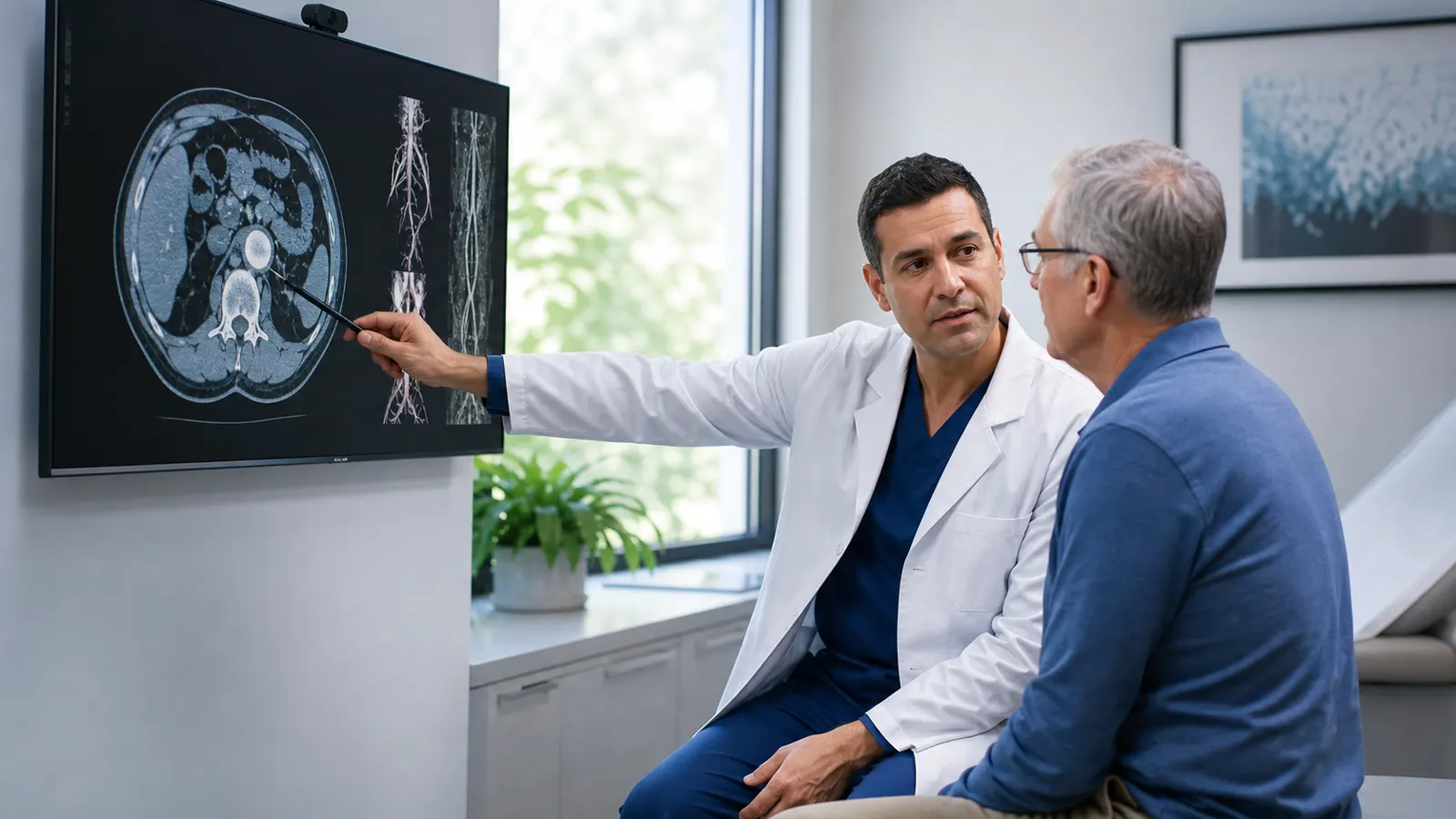
Aortic Aneurysm Screening in Forest Hills, Queens
Aortic aneurysm screening, surveillance, and vascular specialist guidance in Forest Hills, Queens
About Aortic Aneurysm Evaluation
An aortic aneurysm is an abnormal enlargement of the body's main artery, most often discussed as an abdominal aortic aneurysm or thoracic aortic aneurysm depending on location. Many aneurysms grow quietly without symptoms, which is why screening and surveillance matter for patients with risk factors such as age, smoking history, high blood pressure, family history, peripheral artery disease, carotid artery disease, or known vascular disease. At M&S Vascular and Orthopedic Group in Forest Hills, Queens, patients can be evaluated by a vascular-focused team that reviews symptoms, risk factors, prior imaging, and whether ultrasound, CT angiography, monitoring, or referral for advanced repair planning is appropriate. Dr. Amir Salem and the M&S team help Queens and Long Island patients understand aneurysm risk in plain language while coordinating whole-body vascular care, including PAD treatment, carotid disease monitoring, vein disease evaluation, and wound-healing concerns when present. For patients searching for aortic aneurysm screening in Queens, an aneurysm specialist near Forest Hills, or vascular aneurysm evaluation close to Rego Park, Kew Gardens, Jamaica, Flushing, and Great Neck, the visit focuses on identifying risk, clarifying the next imaging step, and explaining when urgent care or vascular repair discussion may be needed.
What to Expect
Your Visit, Step by Step
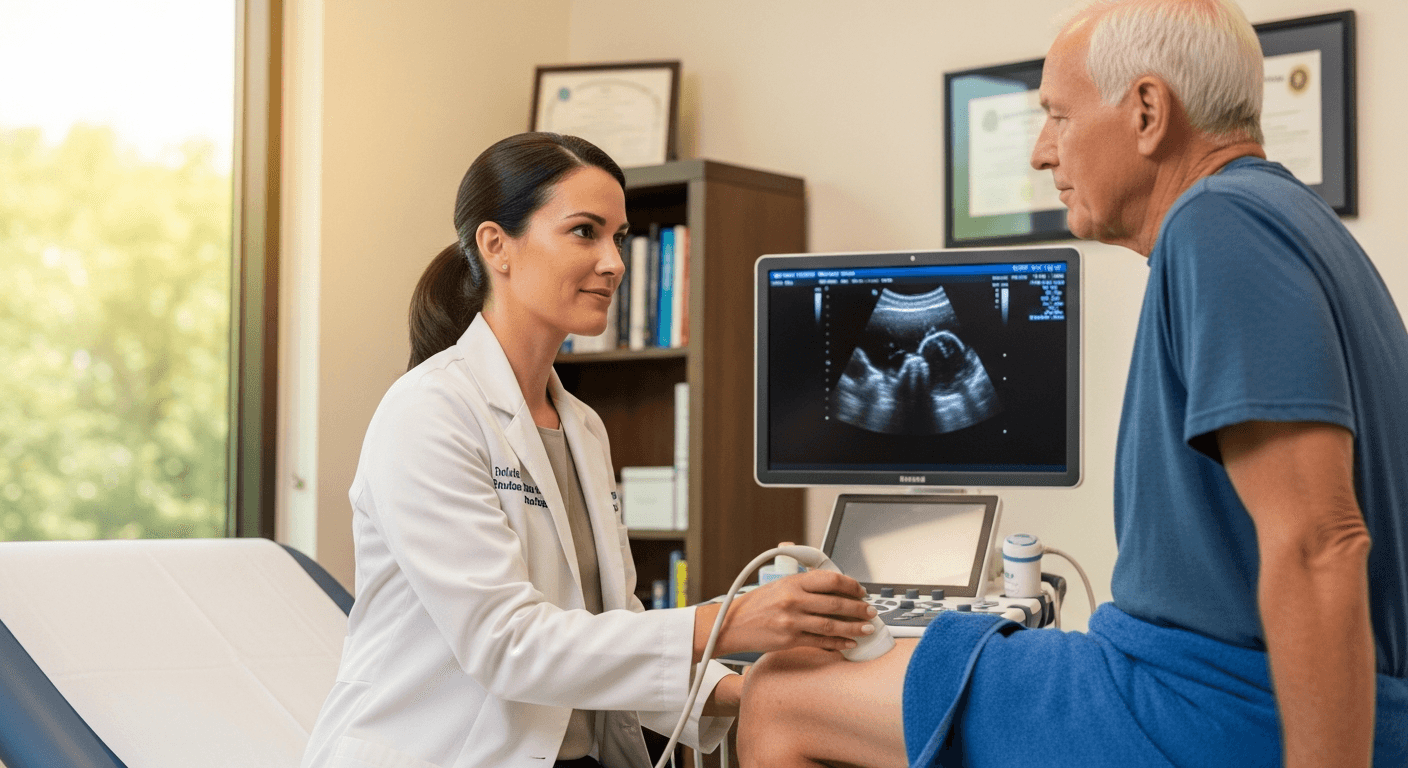
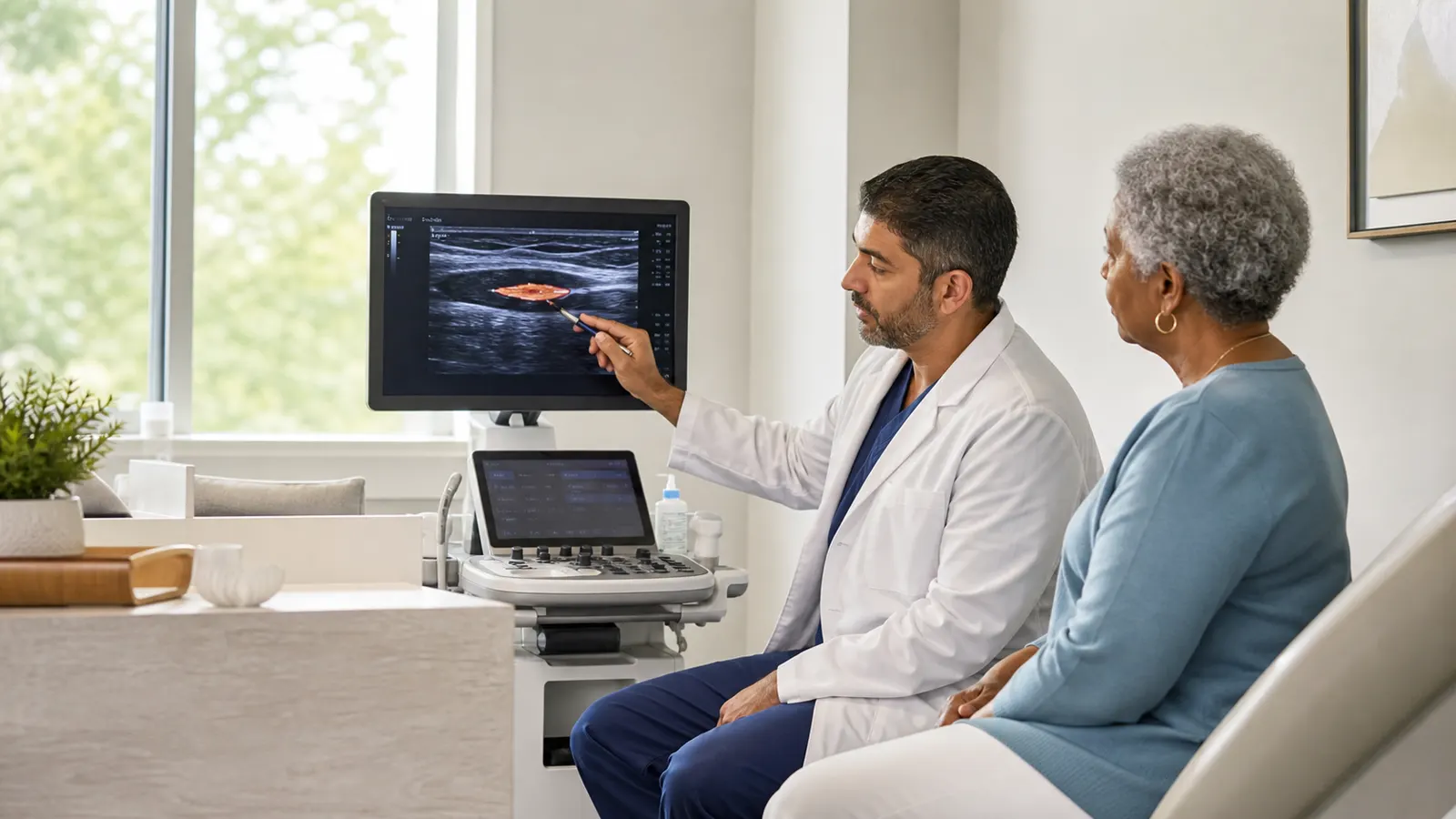
Your aortic aneurysm evaluation may include a review of vascular risk factors, family history, smoking history, blood pressure, cholesterol, diabetes status, medications, prior ultrasound or CT results, and any abdominal, back, chest, groin, or leg symptoms. Dr. Salem or the vascular care team may review whether an abdominal ultrasound, CT angiography, repeat surveillance imaging, or outside imaging comparison is the right next step. Depending on the size, location, and growth pattern of an aneurysm, your clinician may recommend risk-factor management, medication coordination, scheduled monitoring, or referral for advanced vascular repair evaluation. Emergency symptoms such as sudden severe chest, back, or abdominal pain, fainting, weakness, or signs of shock require 911 care.
Who Is This For?
Adults with an already diagnosed aortic aneurysm or prior imaging showing aortic enlargement who need surveillance planning, and patients seeking an individualized discussion of abdominal aortic aneurysm screening in Forest Hills, Queens. Screening eligibility depends on age, smoking and family history, and other individual factors; a vascular risk factor does not automatically mean annual imaging is needed. New severe chest, back, or abdominal pain requires emergency assessment, not a screening appointment.
Related Patient Guides
Aortic aneurysm screening in Queens
Who should ask about aneurysm screening, surveillance imaging, risk factors, and urgent warning signs.
Why seniors should get annual vascular checkups
How vascular screening can identify PAD, carotid concerns, aneurysm risk, vein disease, and wound-healing problems earlier.
Vascular care in Forest Hills
Whole-body artery and vein evaluation for Queens patients with vascular symptoms or risk factors.
Frequently Asked Questions
What are symptoms of an aortic aneurysm?
How is an aortic aneurysm found?
Does every aneurysm need surgery?
Who is at higher risk?
How is screening different from monitoring a known aneurysm?
Who should discuss abdominal aortic aneurysm screening?
What should I bring to an aneurysm evaluation in Forest Hills?
How often will I need follow-up imaging?
What determines whether an aneurysm needs repair?
Can I exercise while an aneurysm is being monitored?
Where can I get aortic aneurysm screening in Queens?
Schedule an Appointment
Our board-certified providers are ready to help. Call us today.
Serving patients in:
Forest Hills / Queens · Rego Park · Kew Gardens · Flushing · Bayside · Jamaica · Elmhurst · Fresh Meadows · Jackson Heights · Great Neck / Long Island · Manhasset

Take the Next Step
Schedule your aortic aneurysm evaluation appointment with M&S Vascular and Orthopedic Group P.C. today.