Vascular Care
Queens vascular surgeon evaluation for leg pain, PAD, vein disease, swelling, and circulation testing in Forest Hills
About Vascular Care
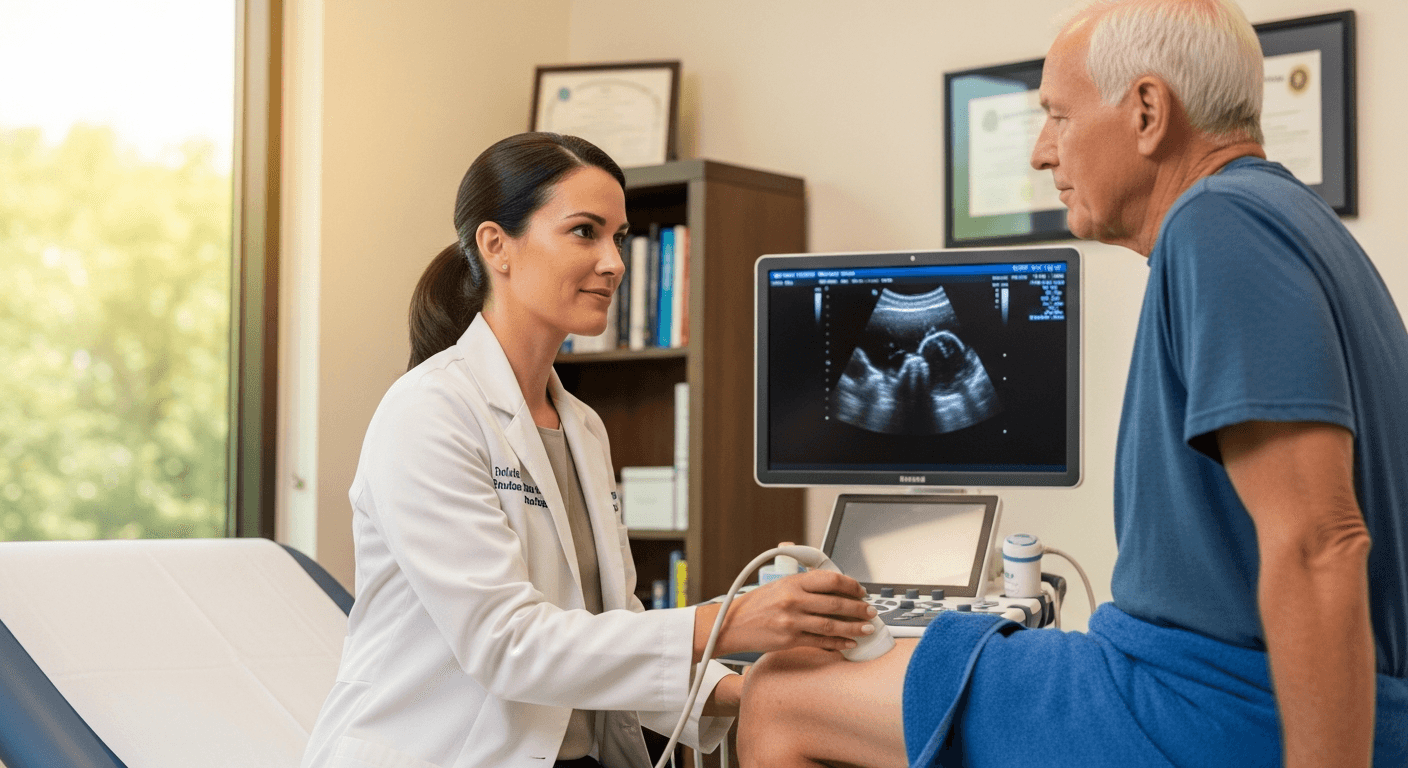
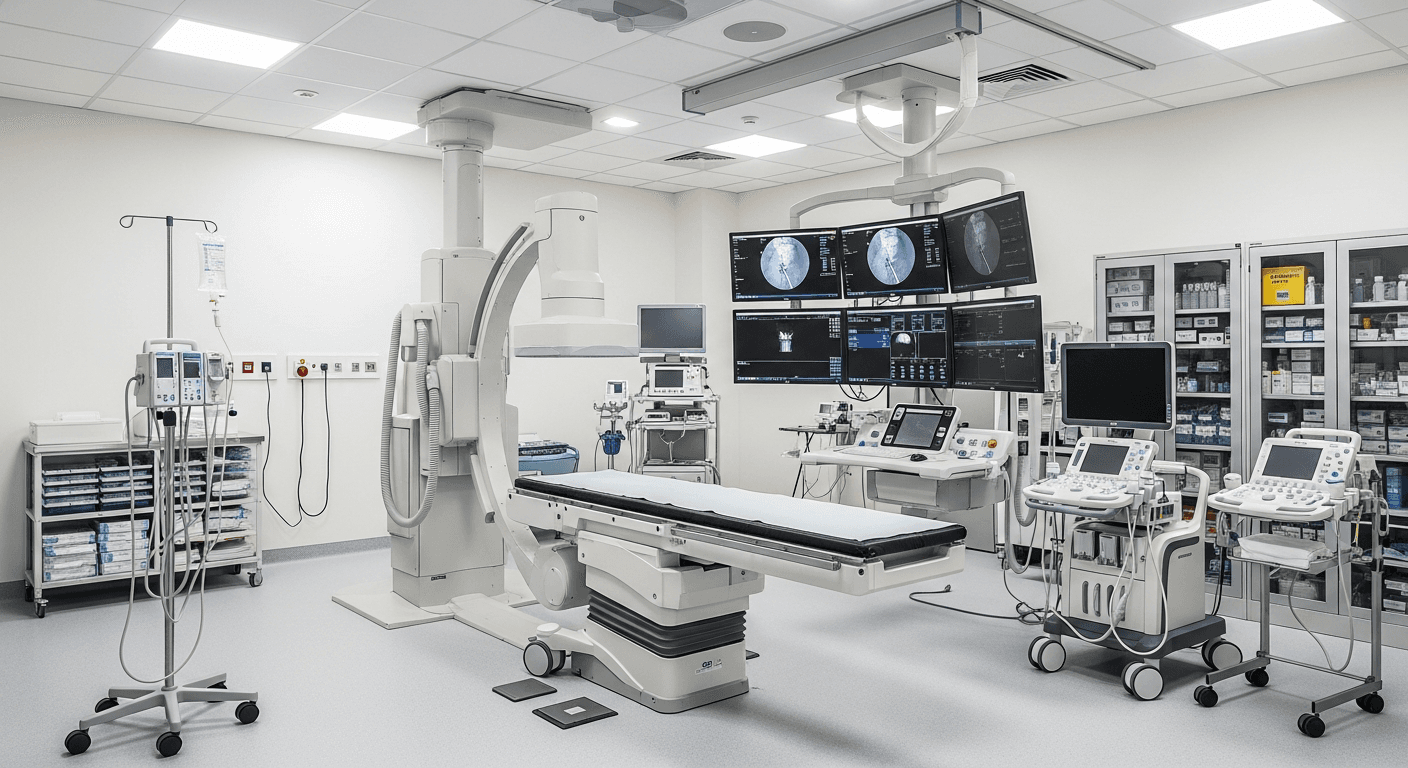
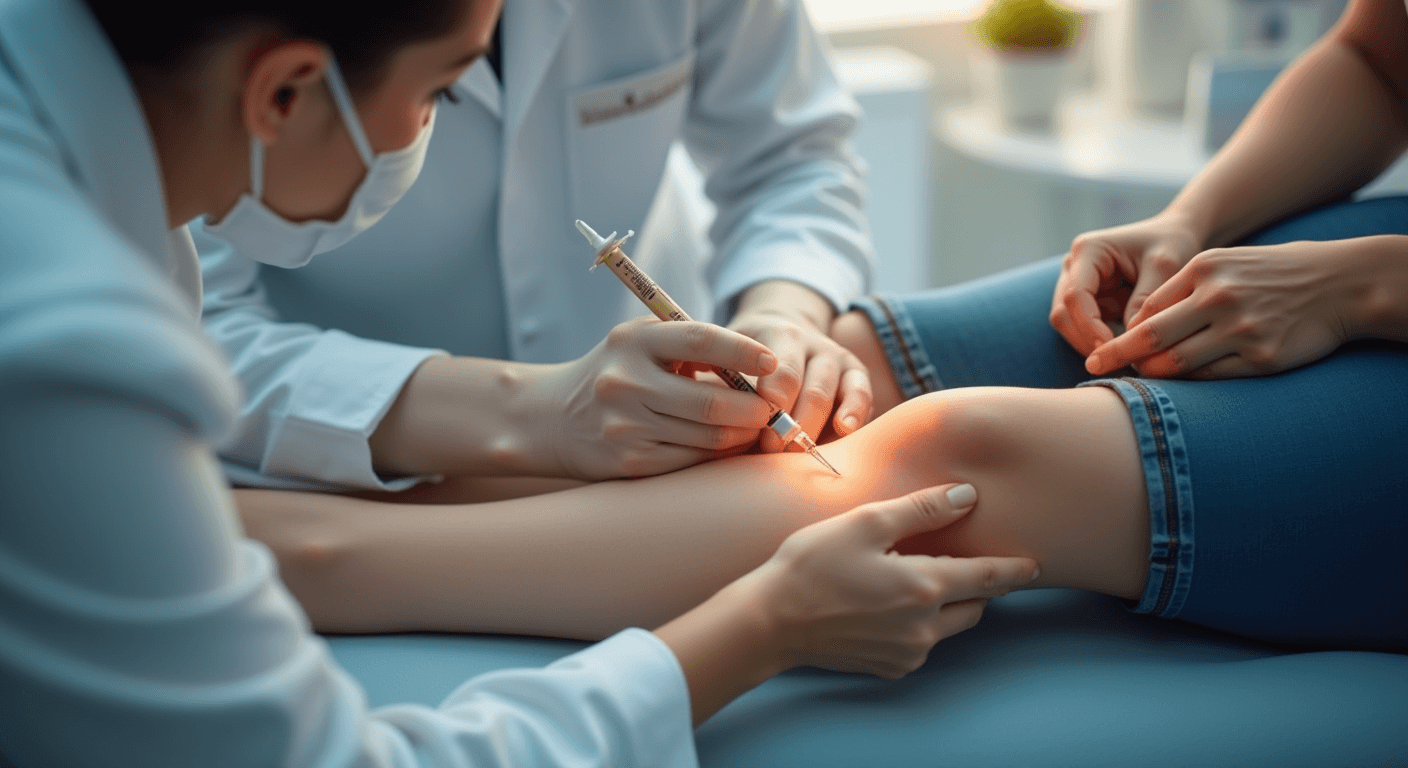
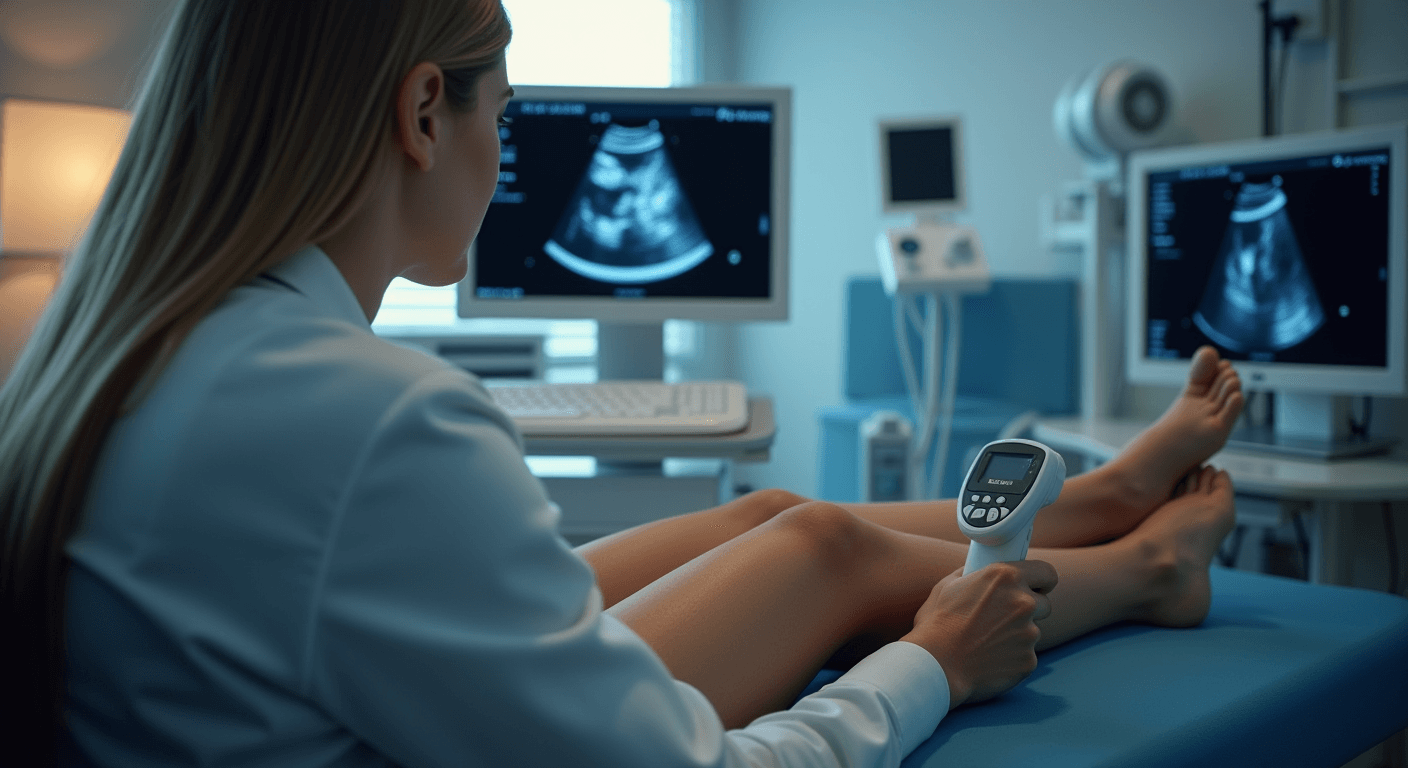
The vascular care program at M&S Vascular and Orthopedic Group provides thorough evaluation, diagnosis, and treatment for artery and vein conditions in Forest Hills, Queens, including annual vascular checkups for seniors and high-risk patients. Patients searching for a vascular doctor near me, vascular specialist in Queens, or vascular surgeon in Forest Hills often come to us for leg pain when walking, poor circulation, varicose veins, spider veins, deep vein thrombosis (DVT), peripheral artery disease (PAD), non-healing foot wounds, cold feet, numbness, tingling, and leg swelling. Vascular disease is especially common among older adults and can lead to serious complications if left untreated, including worsening circulation, chronic pain, skin changes, wounds that do not heal, and increased risk of stroke or heart attack. Dr. Amir Salem and our Forest Hills vascular team use diagnostic tools such as duplex ultrasound, CT angiography, and ankle-brachial index testing to identify problems early and develop a personalized treatment plan for Queens patients searching for vascular screening, leg circulation testing, PAD evaluation, vein treatment, or a vascular doctor near Rego Park, Kew Gardens, Flushing, Bayside, and Jamaica. Treatment options range from lifestyle modifications and medication management to minimally invasive catheter-based procedures such as angioplasty, stenting, vein ablation, sclerotherapy, and clot treatment. With offices serving Forest Hills, Great Neck, and the surrounding Queens and Long Island communities, M&S Vascular and Orthopedic Group takes a coordinated approach to vascular health, working closely with your primary care physician and other specialists to ensure comprehensive, continuous care.
What to Expect
Your Visit, Step by Step
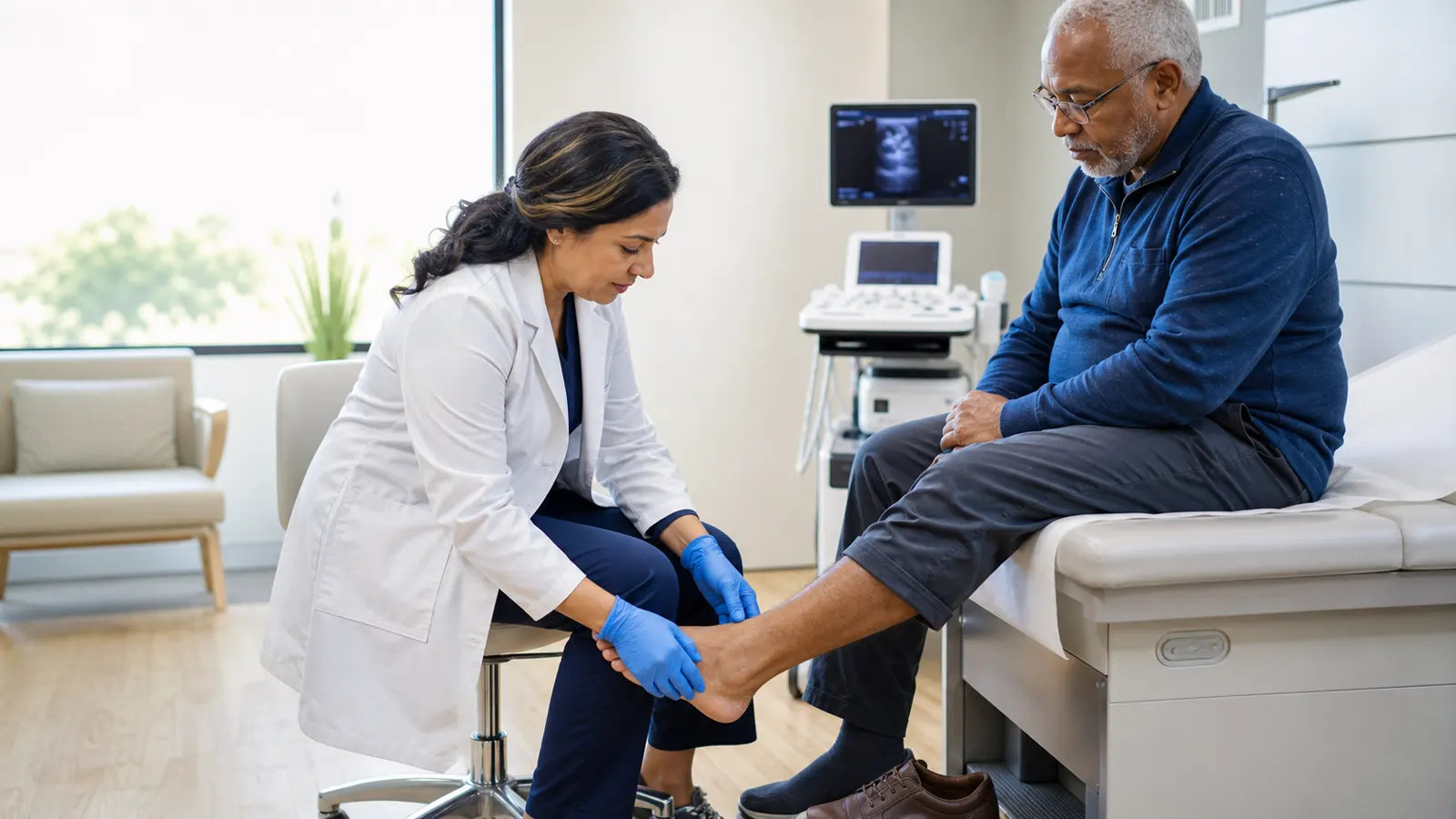
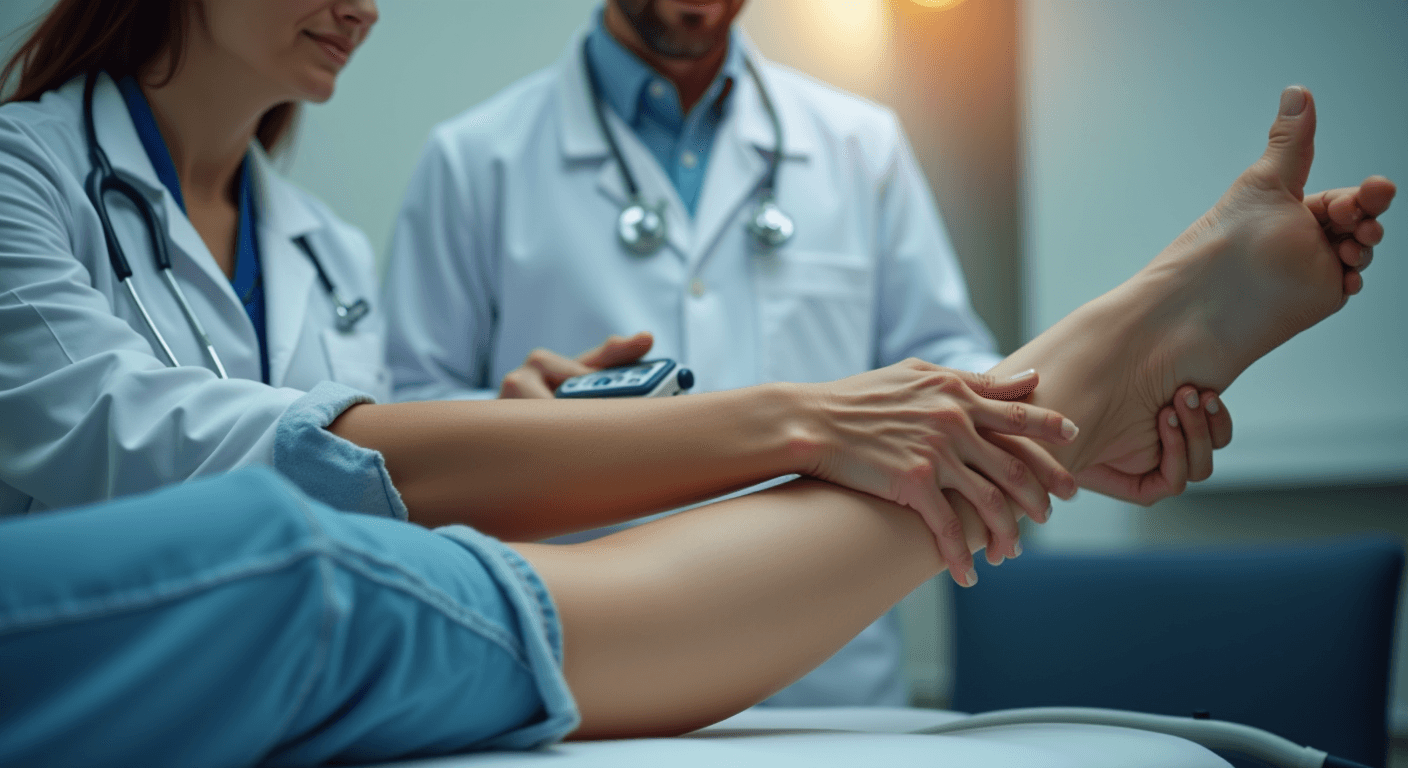
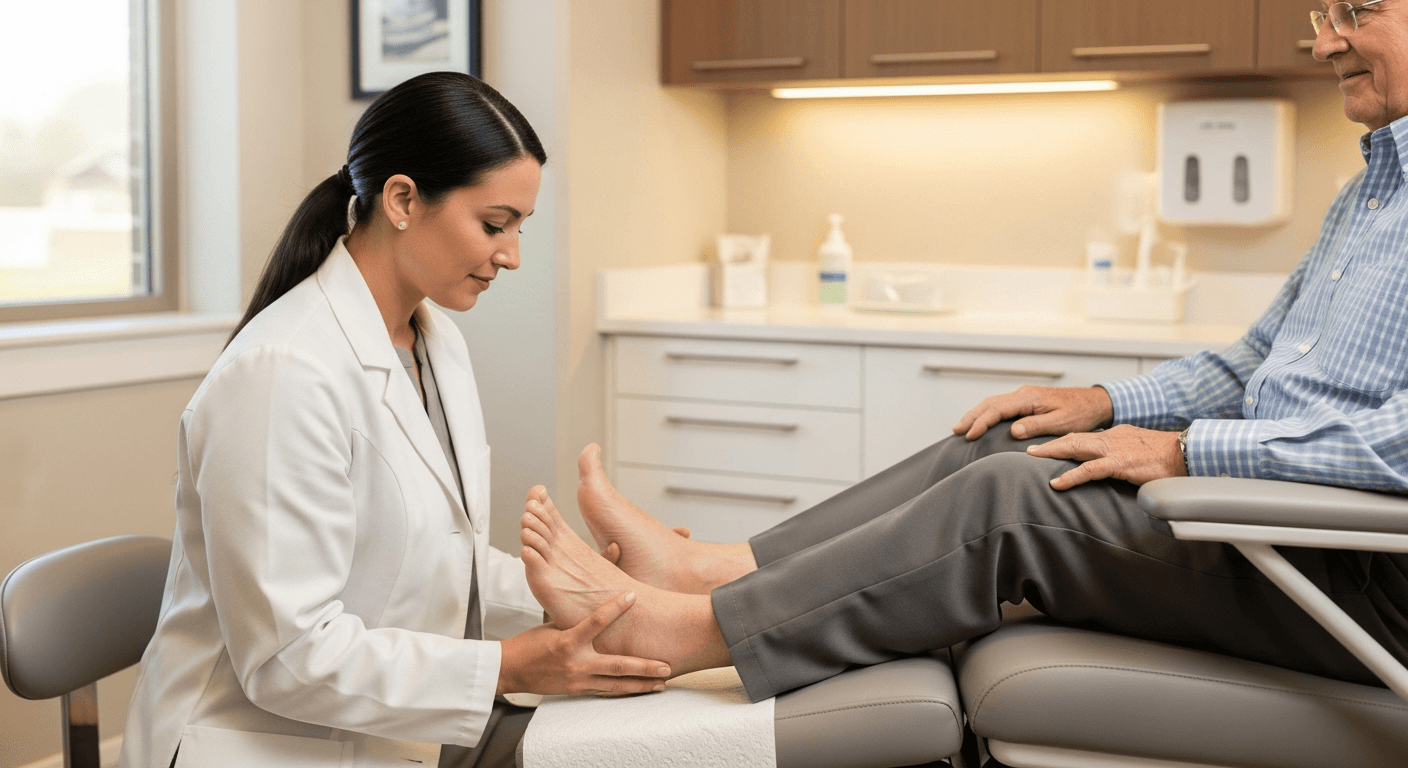
Your first vascular care visit will include a review of your symptoms, medical history, diabetes or smoking risk, prior imaging, medications, and a physical examination focused on circulation, pulses, skin changes, swelling, wounds, and visible veins. When appropriate, testing may include vascular ultrasound, ankle-brachial index (ABI) measurement, blood work, or advanced imaging. Based on the findings, your vascular specialist will explain whether symptoms look artery-related, vein-related, orthopedic, nerve-driven, or mixed, then discuss treatment options and next steps. If a procedure is recommended, our team will walk you through every step and coordinate scheduling at your convenience.
Who Is This For?
Vascular care is for adults looking for a vascular doctor in Forest Hills or Queens for leg pain, swelling, numbness, cold feet, poor circulation, non-healing wounds, varicose veins, spider veins, PAD risk, diabetes-related circulation concerns, high blood pressure, or a history of smoking.
Related Patient Guides
Vein Doctor in Queens
Forest Hills vein evaluation for heavy legs, swelling, visible varicose veins, spider veins, and venous insufficiency symptoms.
5 Signs You Should See a Vascular Surgeon in Queens
Plain-English warning signs that leg pain, swelling, cold feet, wounds, or sudden one-leg symptoms may need vascular evaluation.
Vascular Surgeon in Forest Hills
When Queens patients with leg pain, swelling, cold feet, wounds, varicose veins, or PAD risk should schedule a circulation evaluation.
PAD Treatment in Queens
Local peripheral artery disease evaluation in Forest Hills for leg pain when walking, poor circulation, and non-healing wounds.
Vascular wound care in Queens
Evaluation for slow-healing foot wounds, diabetic wound concerns, PAD risk, venous ulcers, and poor circulation symptoms.
Vascular Ultrasound for Leg Pain
What Queens and Forest Hills patients should know about ultrasound testing for leg pain, swelling, veins, and circulation concerns.
Arterial ultrasound in Queens NY
How arterial ultrasound can help evaluate PAD risk, weak pulses, cold feet, walking-related leg pain, and poor circulation symptoms.
Vascular Doctor in Queens and Forest Hills
When leg pain, swelling, cold feet, PAD symptoms, varicose veins, or wounds should be checked by a Queens vascular doctor.
Leg Pain When Walking: Vascular vs. Orthopedic Causes
How Queens patients can tell when recurring leg pain may point to PAD, vein disease, joint problems, nerve pain, or mixed causes.
Cold Feet and Foot Pain: When to Check Blood Flow
A Queens PAD guide for cold feet, foot pain when walking, color changes, slow-healing sores, and circulation testing.
Foot Numbness and Tingling: When to Check Circulation
How Queens patients can tell when numbness, tingling, cold feet, diabetes, or slow-healing sores deserve circulation testing.
Arm Numbness Treatment in Manhattan and Queens
How patients can compare nerve, orthopedic, and vascular causes of arm numbness before choosing the right evaluation.
Annual Vascular Checkups for Seniors in Queens
Why older adults and high-risk patients should ask about PAD screening, vein evaluation, and circulation testing in Forest Hills.
ABI test for leg circulation in Queens
How ankle-brachial index testing helps screen for PAD when leg pain, cold feet, weak pulses, or slow-healing sores suggest poor circulation.
Diabetes and Vascular Health
Why diabetes raises PAD, foot wound, nerve, and circulation risk — and when to schedule a vascular evaluation.
Non-Healing Foot Wounds and Poor Circulation
Warning signs that a slow-healing sore may need circulation testing, wound protection, podiatry, or vascular care.
Frequently Asked Questions
What are the signs of vascular disease?
When should I see a vascular surgeon in Forest Hills for leg pain?
Do you provide vascular care for patients near Rego Park, Kew Gardens, and Flushing?
What should I search for if I need a vascular doctor near me?
How is peripheral artery disease diagnosed?
Can vascular disease be treated without surgery?
How often should I have my vascular health checked?
Does M&S Vascular and Orthopedic Group treat varicose veins?
Is vascular care covered by Medicare?
Schedule an Appointment
Our board-certified providers are ready to help. Call us today.
Serving patients in:
Forest Hills / Queens · Rego Park · Kew Gardens · Flushing · Bayside · Jamaica · Elmhurst · Fresh Meadows · Jackson Heights · Great Neck / Long Island · Manhasset
Local Vascular Care Pages
Choose the closest M&S location for local details, directions, and provider information.


Take the Next Step
Schedule your vascular care appointment with M&S Vascular and Orthopedic Group P.C. today.