Venous Insufficiency Treatment in Forest Hills, Queens
Venous insufficiency and leg swelling evaluation in Forest Hills, Queens, with ultrasound-guided vein care options
About Venous Insufficiency Treatment
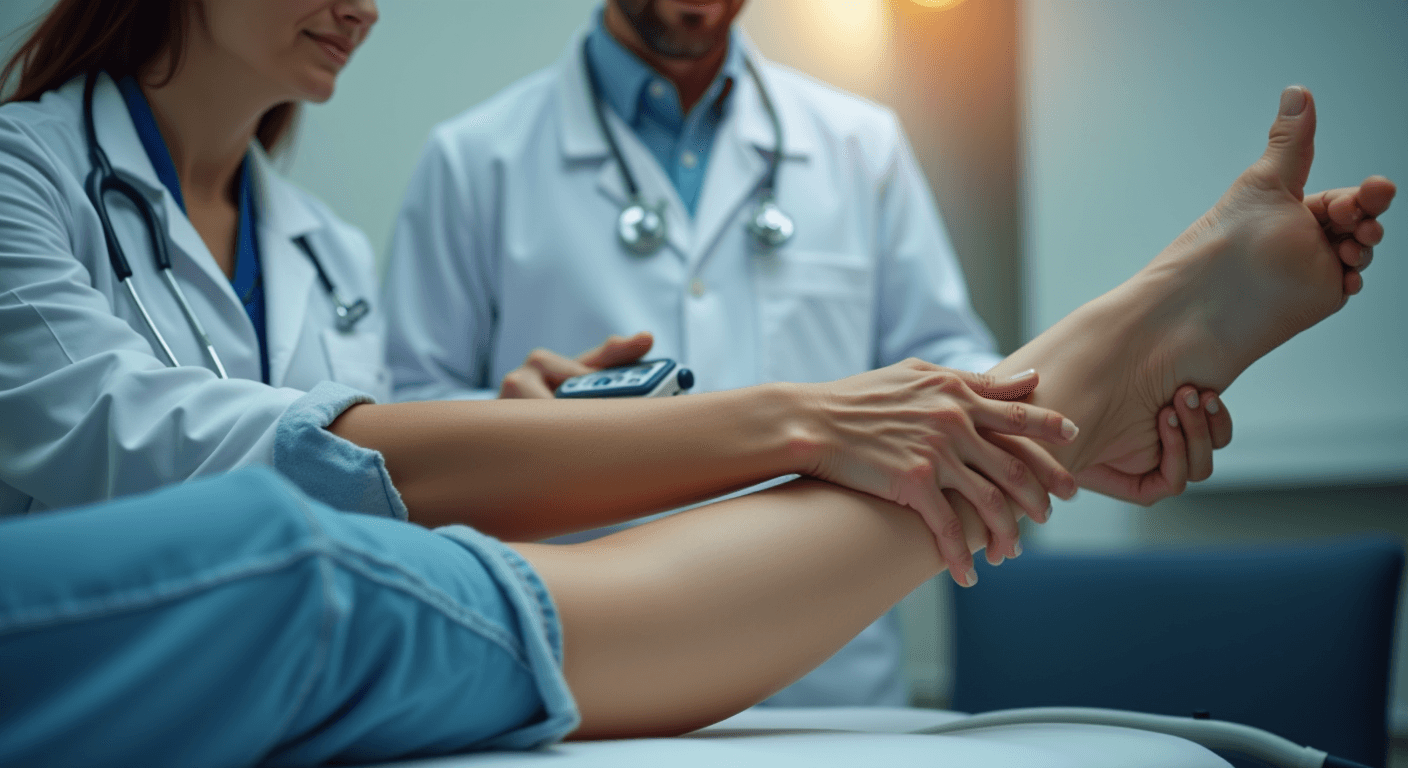
Chronic venous insufficiency happens when leg vein valves do not move blood back toward the heart efficiently. Blood can pool in the legs, increasing pressure and causing heavy legs, ankle swelling, aching, restless legs, visible varicose veins, spider veins, skin discoloration, itching, and slow-healing wounds near the ankle. At M&S Vascular and Orthopedic Group in Forest Hills, Queens, Dr. Amir Salem evaluates venous insufficiency with a focused exam and duplex ultrasound when appropriate. The goal is to identify whether symptoms are coming from superficial vein reflux, deeper vein disease, prior blood clots, or another cause. Treatment may include compression therapy, walking and calf-pump guidance, skin care, sclerotherapy, endovenous ablation, phlebectomy, or coordinated wound care when needed. Persistent ankle swelling, heavy legs, or skin changes deserve an evaluation, even when visible veins are not painful. At a Forest Hills visit, describe when swelling begins, whether one or both legs are affected, and how symptoms change with standing or walking. Patients coming from Rego Park and Kew Gardens can bring prior ultrasound reports and any prescribed compression details to help the team compare findings. Because M&S combines vascular, interventional radiology, orthopedic, and foot and ankle perspectives, patients with leg swelling or walking discomfort can be evaluated for overlapping vein, artery, joint, nerve, and foot problems in one coordinated setting. The plan should address the cause of leg swelling, not only the appearance of the veins.
What to Expect
Your Visit, Step by Step
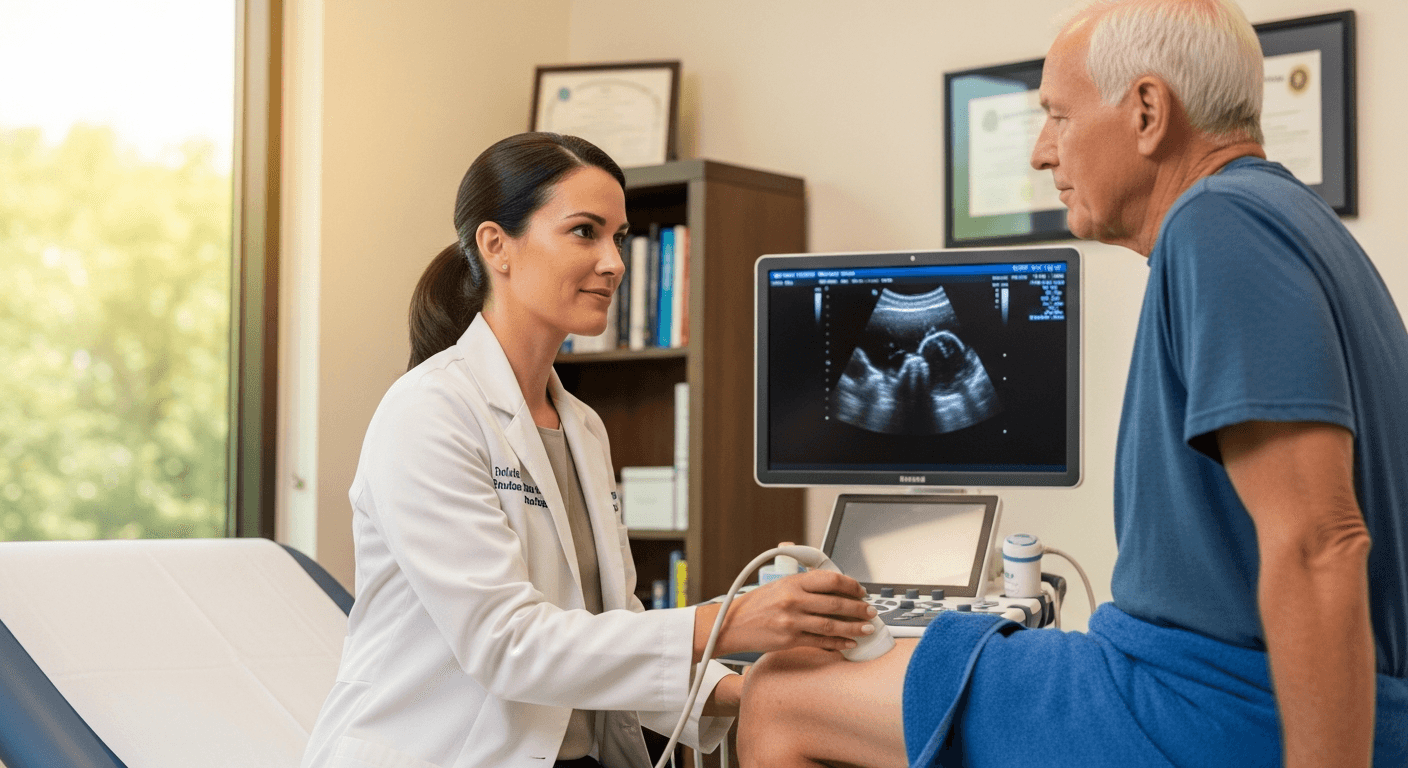
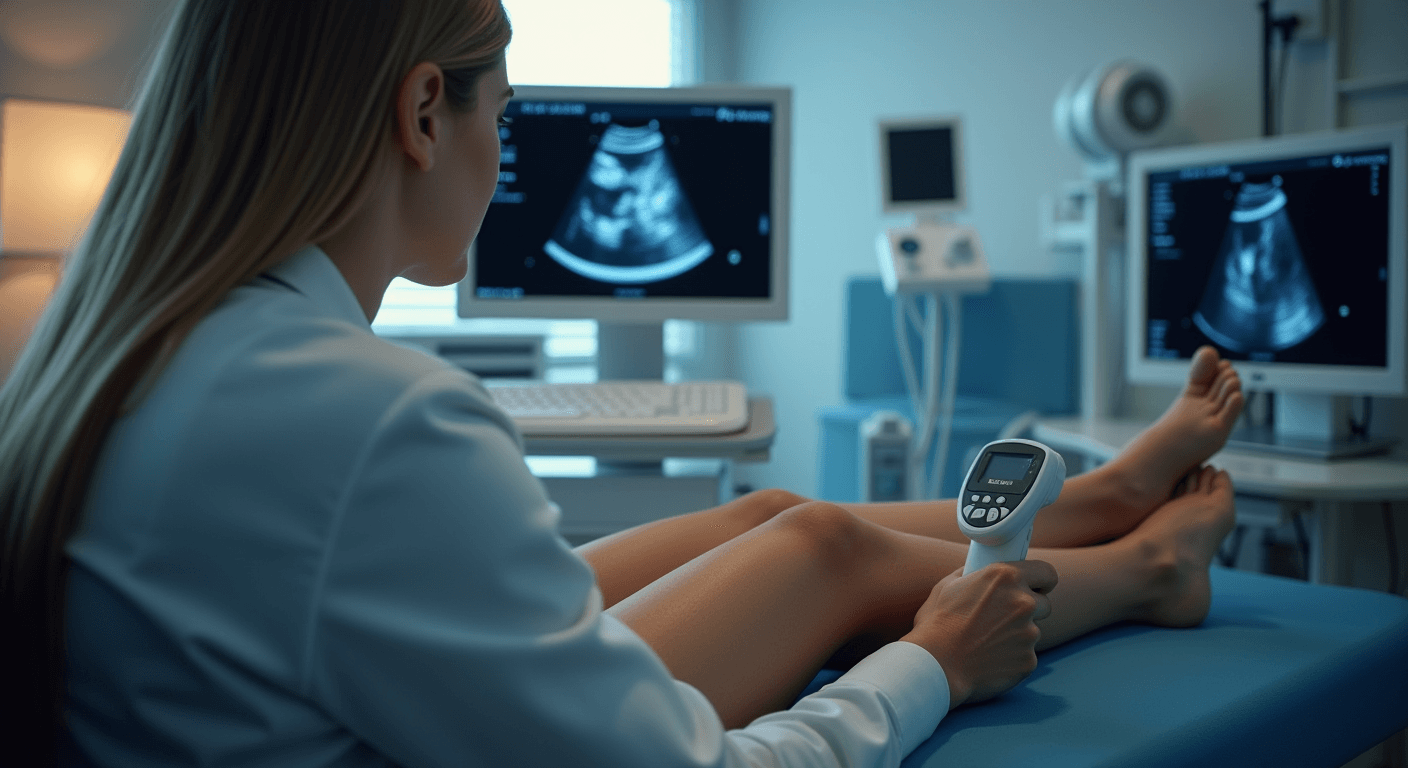
Your venous insufficiency visit starts with a review of symptoms, risk factors, prior clots or procedures, and how swelling or heaviness changes during the day. Dr. Salem may examine visible veins, skin changes, ankle swelling, pulses, and tenderness. If vein reflux is suspected, duplex ultrasound can map blood flow and valve function. Your treatment plan may include conservative care first, or minimally invasive vein procedures when symptoms, ultrasound findings, and medical necessity support treatment.
Who Is This For?
Adults with leg heaviness, aching, ankle swelling, restless legs, varicose veins, spider veins, skin discoloration, itching, or slow-healing lower-leg wounds who need venous insufficiency evaluation in Forest Hills, Queens.
Related Patient Guides
Venous insufficiency treatment in Queens
Forest Hills local landing page for heavy legs, ankle swelling, venous reflux, varicose veins, skin changes, and leg swelling evaluation.
Leg swelling doctor in Queens
Local Forest Hills evaluation page for swollen ankles, heavy legs, vein reflux symptoms, PAD risk, and urgent blood clot warning signs.
Leg swelling in Queens: when to see a vein or circulation doctor
A patient guide to ankle swelling, heavy legs, vein reflux, DVT warning signs, PAD overlap, and when symptoms need urgent care.
When leg swelling could be a blood clot
Urgent red flags, DVT symptoms, ultrasound evaluation, and when Queens patients should seek emergency care.
Minimally invasive vein treatments in Queens
How modern vein procedures can treat reflux and symptomatic varicose veins without traditional vein stripping.
Choosing a vein doctor in Queens
What patients should know about ultrasound evaluation, vein treatment options, symptoms, and recovery before scheduling care.
Leg vein treatment in Queens: what to know before booking
A practical guide to varicose veins, spider veins, ultrasound evaluation, ablation, sclerotherapy, recovery, and choosing local vein care.
Frequently Asked Questions
What are the symptoms of chronic venous insufficiency?
How is venous insufficiency diagnosed?
Can venous insufficiency be treated without surgery?
Do I need an ABI test before wearing compression stockings in Queens?
Is leg swelling always caused by vein disease?
When should leg swelling be checked urgently?
Schedule an Appointment
Our board-certified providers are ready to help. Call us today.
Serving patients in:
Forest Hills / Queens · Rego Park · Kew Gardens · Flushing · Bayside · Jamaica · Elmhurst · Fresh Meadows · Jackson Heights · Great Neck / Long Island · Manhasset
Local Venous Insufficiency Treatment Pages
Choose the closest M&S location for local details, directions, and provider information.



Take the Next Step
Schedule your venous insufficiency treatment appointment with M&S Vascular and Orthopedic Group P.C. today.