
DVT and Blood Clot Treatment in Forest Hills, Queens
DVT and leg blood clot evaluation in Forest Hills, Queens, with vascular ultrasound when symptoms or risk factors point to clot risk
About Deep Vein Thrombosis (DVT) Treatment
Deep vein thrombosis (DVT) is a serious condition where a blood clot forms in a deep vein, usually in the leg. Without prompt treatment, DVT can lead to life-threatening pulmonary embolism (PE) if the clot travels to the lungs, or chronic post-thrombotic syndrome causing long-term leg pain and swelling. At M&S Vascular and Orthopedic Group in Forest Hills, Queens, Dr. Amir Salem evaluates suspected DVT and leg blood clot symptoms with a vascular-focused approach that may include duplex ultrasound, risk-factor review, and treatment planning. New one-sided leg swelling, calf tenderness, warmth, or skin color changes need urgent medical assessment. If a timely office evaluation is unavailable, seek urgent in-person care rather than waiting for a routine appointment. Treatment options may include anticoagulation therapy (blood thinners), catheter-directed thrombolysis for severe cases, IVC filter placement when blood thinners cannot be used, and long-term management to reduce recurrence risk. Our Forest Hills office serves patients from Rego Park, Kew Gardens, Jamaica, Flushing, Bayside, and nearby Queens neighborhoods for prompt vascular evaluation when DVT symptoms or risk factors are present. If symptoms include chest pain, shortness of breath, fainting, coughing blood, or sudden severe breathing trouble, call 911 immediately.
What to Expect
Your Visit, Step by Step
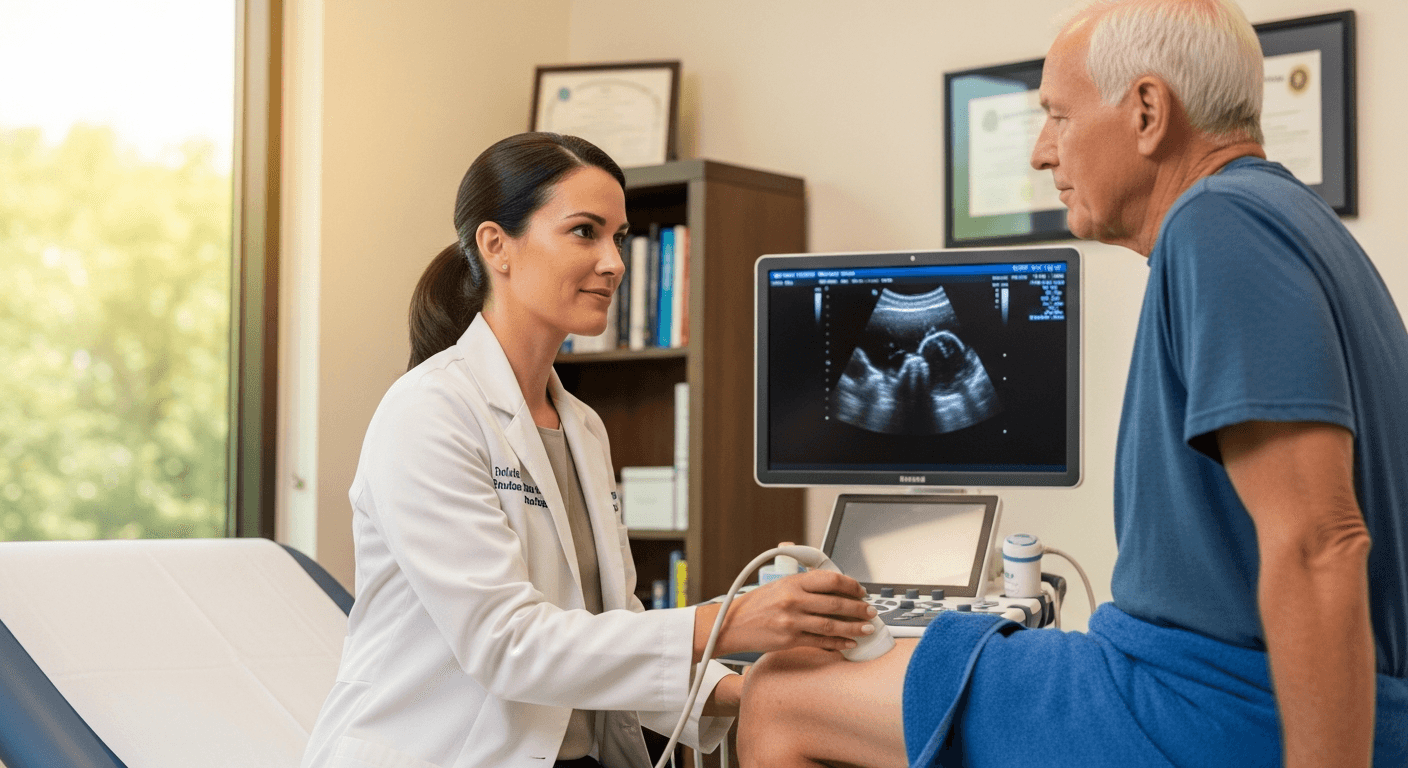
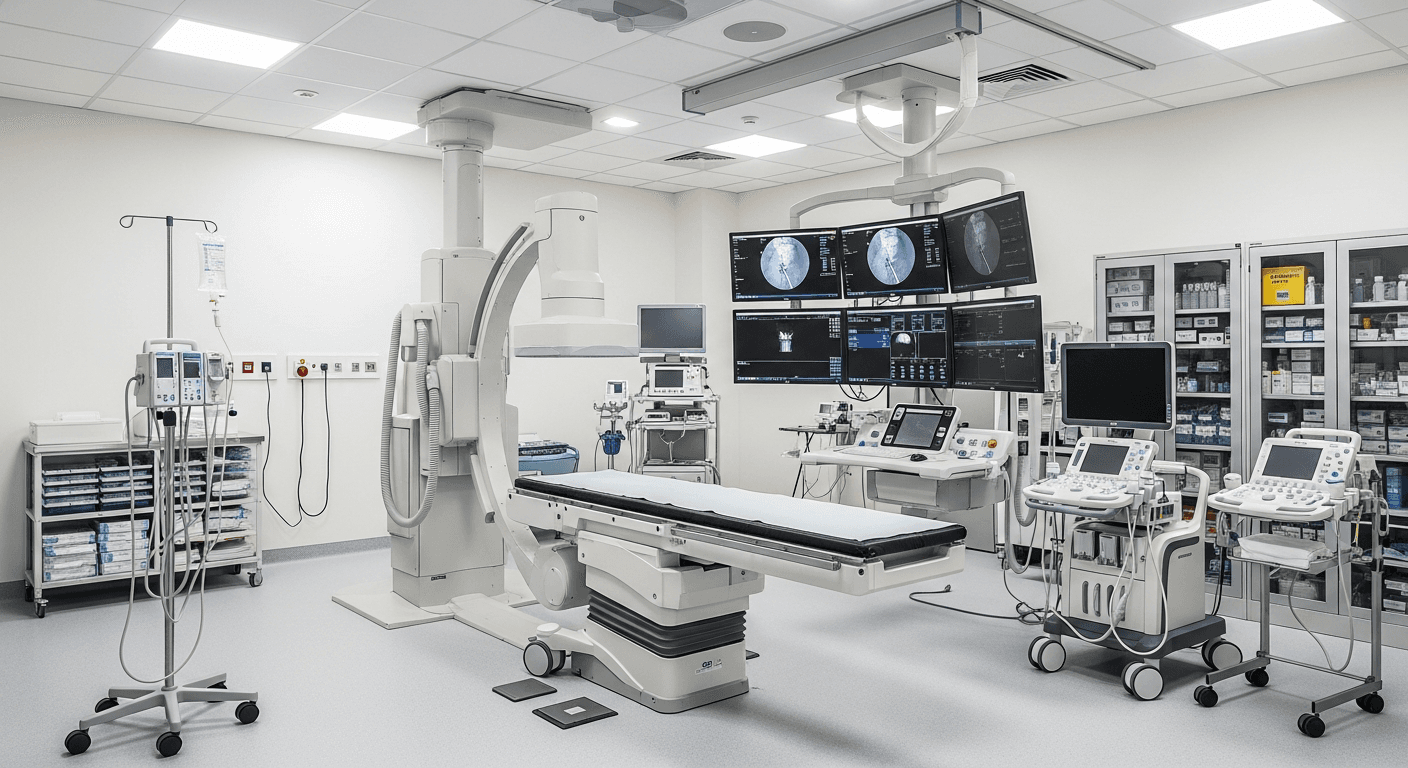
If DVT is suspected, Dr. Salem may recommend an urgent venous duplex ultrasound at the Forest Hills office to confirm or rule out a blood clot. This non-invasive leg ultrasound uses sound waves to check whether deep veins compress normally and whether blood flow is blocked or slowed. The visit also includes a focused history covering recent surgery, travel, immobility, cancer history, pregnancy, prior clots, medications, family history, and whether swelling is one-sided or paired with warmth, redness, or calf pain. If DVT is confirmed, treatment usually begins quickly, often with anticoagulation medication and clear instructions about activity, compression, warning symptoms, follow-up timing, and medication duration. For extensive or limb-threatening clots, minimally invasive catheter-based clot treatment may be discussed.
Who Is This For?
Adults in Forest Hills, Rego Park, Kew Gardens, Jamaica, Flushing, Bayside, or nearby Queens neighborhoods with sudden one-sided leg swelling, calf pain or tenderness, warmth, redness, new vein prominence, or DVT risk factors such as recent surgery, long travel, prolonged immobility, cancer, pregnancy, prior blood clots, or family history of clots.
Related Patient Guides
When leg swelling could be a blood clot
A Queens patient guide to DVT warning signs, urgent symptoms, ultrasound testing, and blood clot treatment pathways.
Leg swelling evaluation in Queens
How vein disease, PAD, orthopedic swelling, and blood clot symptoms can overlap in Queens patients.
DVT signs and prevention
Warning signs, risk factors, prevention steps, and when Queens patients should seek urgent DVT evaluation.
Frequently Asked Questions
How do I arrange DVT follow-up after a Queens hospital visit?
What should I bring to a DVT follow-up in Forest Hills?
What are the warning signs of DVT?
How is DVT treated?
Can DVT be prevented?
How long does DVT treatment take?
Where can I get checked for a possible blood clot in Queens?
Can a leg ultrasound rule out DVT?
Do you see DVT patients from Rego Park, Kew Gardens, Jamaica, and Flushing?
Schedule an Appointment
Our board-certified providers are ready to help. Call us today.
Serving patients in:
Forest Hills / Queens · Rego Park · Kew Gardens · Flushing · Bayside · Jamaica · Elmhurst · Fresh Meadows · Jackson Heights · Great Neck / Long Island · Manhasset


Take the Next Step
Schedule your deep vein thrombosis (dvt) treatment appointment with M&S Vascular and Orthopedic Group P.C. today.