Tearing your ACL is one of those injuries that changes everything overnight. One moment you are pivoting on the basketball court or stepping off a curb, and the next your knee gives out, swells up, and refuses to trust you again. If you live in Deer Park or anywhere on Long Island and you are searching for an experienced ACL tear surgeon, you want clear answers, not confusing medical jargon.
At M&S Vascular and Orthopedic Group P.C., our team has helped countless patients from across the New York metro area, including many who travel from communities like Deer Park, get an accurate diagnosis and a thoughtful treatment plan for ACL injuries. In this guide, we will walk you through what an ACL tear actually is, how to know if you have one, what treatment options look like, and how to choose the right specialist for your knee.
What Is the ACL and Why Does It Matter So Much?
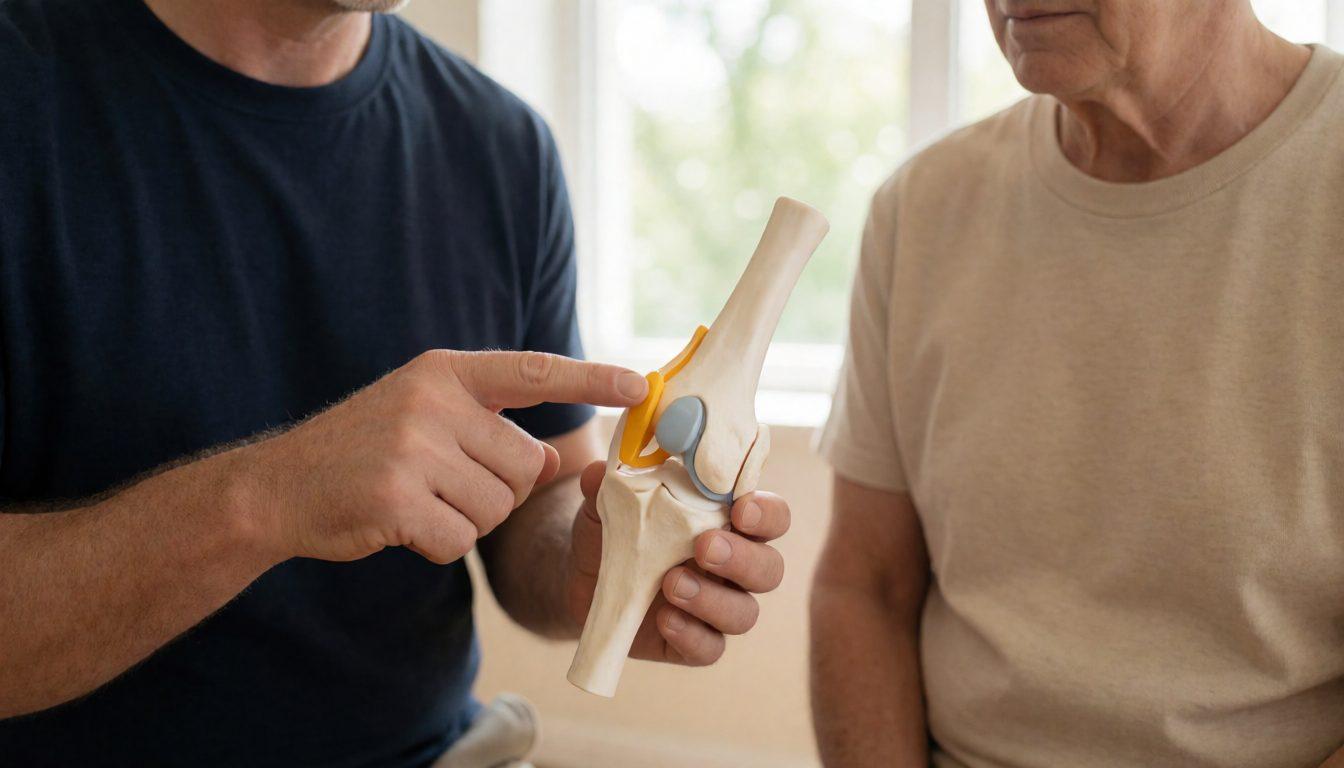
The anterior cruciate ligament, or ACL, is one of the four major ligaments that hold your knee joint together. It runs diagonally through the middle of the knee and connects your thighbone to your shinbone. Its main job is to keep the shinbone from sliding too far forward and to provide rotational stability when you twist, cut, or change direction.
Because the ACL is central to nearly every athletic movement, an injury to it is rarely a minor inconvenience. When the ligament tears, the knee can feel unstable in a way that is hard to describe until you experience it. Simple things like walking down stairs, getting out of a car, or standing on one leg can suddenly feel uncertain.
ACL tears are especially common in sports that involve quick stops and pivots, such as soccer, basketball, football, skiing, and tennis. However, you do not need to be an athlete to tear your ACL. Falls, workplace accidents, and car collisions can all cause the same injury.
Common Symptoms of an ACL Tear
Many people hear or feel a distinct "pop" at the moment of injury. That sound is often the first clue that something significant has happened in the knee. After the initial injury, several symptoms typically follow:
- Rapid swelling, often within the first few hours, caused by bleeding inside the joint
- A feeling of instability, as if the knee might buckle or give way
- Loss of full range of motion, making it hard to fully straighten or bend the knee
- Pain along the joint line, especially when walking or bearing weight
- Difficulty pivoting or changing direction without the knee feeling loose
It is worth noting that not every ACL injury comes with dramatic pain. Some people can walk off the field and assume the injury is minor, only to discover weeks later that the knee keeps giving out during everyday activities. If your knee has felt unstable since an injury, even if the pain has faded, it deserves a professional evaluation.
How an ACL Injury Is Diagnosed
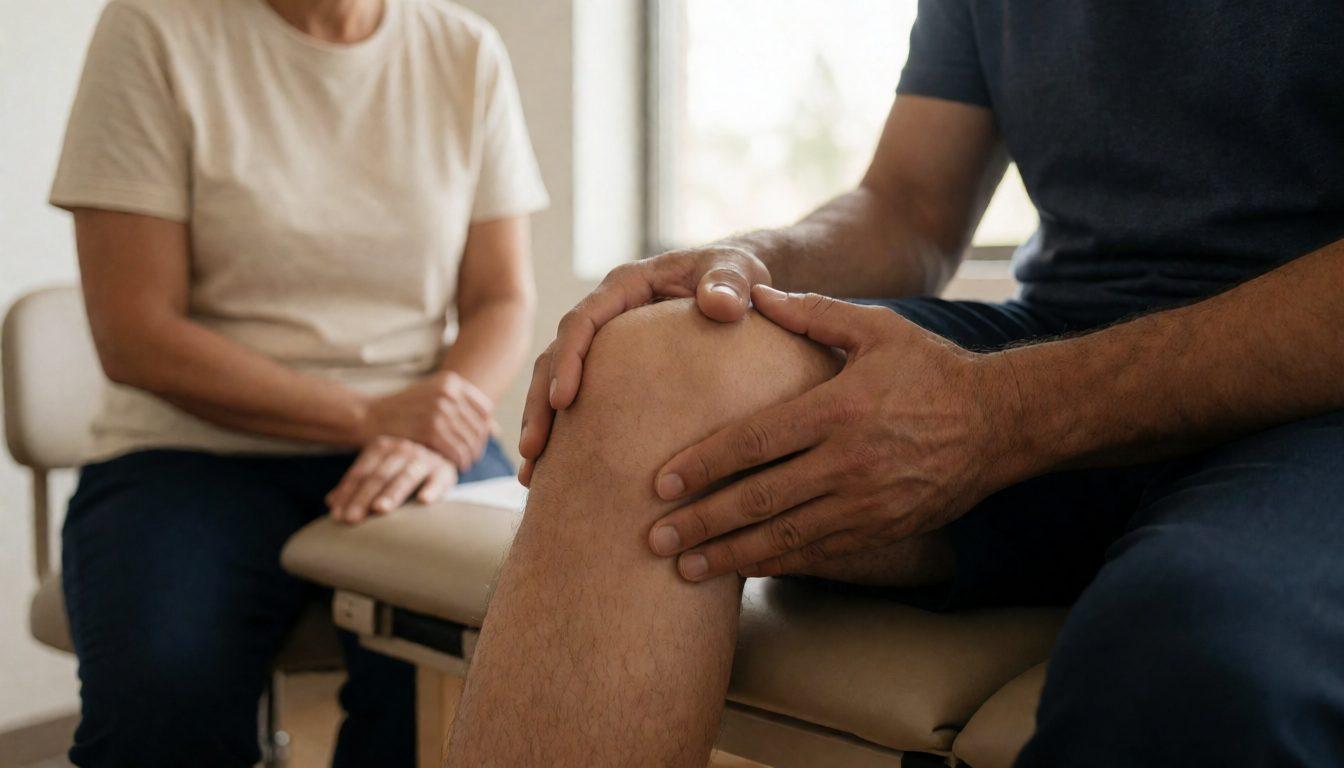
Getting the right diagnosis is the foundation of good treatment. When you visit our office, the evaluation begins with a detailed conversation about how the injury happened and a careful hands-on examination of the knee.
During the physical exam, your doctor may perform specific maneuvers, such as the Lachman test or the pivot-shift test, which check for abnormal looseness in the joint. These tests, performed by an experienced orthopedic specialist, can often detect an ACL tear without any imaging at all.
Imaging usually follows. X-rays help rule out fractures, while an MRI provides a detailed view of the soft tissues, confirming whether the ACL is partially or completely torn and whether other structures, such as the meniscus or other ligaments, were injured at the same time. Combined injuries are common, and identifying them early changes the treatment plan significantly.
Do All ACL Tears Require Surgery?
Here is some reassuring news: not every ACL tear needs surgical repair. The right treatment depends on several factors, including the severity of the tear, your age, your activity level, and whether other parts of the knee were damaged.
Non-surgical treatment may be appropriate for patients with partial tears, those with less physically demanding lifestyles, or individuals who can modify their activities to avoid pivoting movements. Conservative care often includes:
- A structured physical therapy program to strengthen the muscles around the knee
- Bracing for stability during daily activities
- Activity modification while the knee recovers
- Anti-inflammatory measures to manage pain and swelling
Surgical reconstruction is generally recommended for complete tears in active individuals, athletes who want to return to pivoting sports, and patients whose knees remain unstable despite conservative treatment. Surgery is also often advised when the ACL tear occurs alongside a meniscus injury that needs repair.
The decision is always personal. A good surgeon will explain the trade-offs honestly and help you weigh your goals, whether that is returning to competitive sports or simply walking your dog without worry.
What to Expect from ACL Reconstruction Surgery
ACL reconstruction does not stitch the torn ligament back together. Instead, the surgeon replaces the damaged ligament with a graft, which is typically tissue taken from your own patellar tendon, hamstring tendon, or quadriceps tendon. In some cases, donor tissue may be used.
Dr. Mehran Manouel, our board-certified orthopedic surgeon specializing in sports medicine, performs these procedures using modern arthroscopic techniques. Arthroscopy involves small incisions and a tiny camera, which allows the surgeon to work inside the joint with precision while minimizing trauma to surrounding tissue.
The surgery itself usually takes about one to two hours, and most patients go home the same day. Graft placement is secured with specialized fixation devices, and over the following months, the graft gradually integrates into your body as new tissue grows into it. This biological healing process is why recovery takes time and why following your rehabilitation plan matters so much.
Recovery and Rehabilitation: What the Timeline Really Looks Like
Recovery from ACL reconstruction is a marathon, not a sprint, and knowing what to expect helps you stay motivated along the way.
Weeks 1 to 4: The focus is on reducing swelling, restoring full extension of the knee, and beginning gentle strengthening exercises. Most patients walk without crutches within the first few weeks.
Months 2 to 3: Physical therapy intensifies. You will work on balance, strength, and controlled movement patterns. Many patients return to light jogging around the three-month mark, depending on their progress.
Months 4 to 6: Running progresses to more dynamic drills. Strength training becomes more aggressive, and the goal is to rebuild confidence in the knee.
Months 6 to 12: Sport-specific training, cutting, and pivoting are gradually reintroduced. Returning to competitive sports typically happens between nine and twelve months, guided by objective strength and stability testing rather than the calendar alone.
Skipping or rushing rehabilitation is one of the most common reasons for poor outcomes or re-injury. A dedicated physical therapy program is not optional aftercare; it is half the treatment.
How to Choose the Right ACL Specialist Near Deer Park
When you are comparing surgeons, a few factors deserve your attention. Look for a specialist who focuses on sports medicine and knee injuries, performs ACL reconstructions regularly, and can explain both surgical and non-surgical paths without pressure.
It is also worth considering the full picture of your care. At M&S Vascular and Orthopedic Group P.C., located in Forest Hills, Queens, we offer both orthopedic and vascular expertise under one roof. Dr. Manouel leads our orthopedic and sports medicine care, while Dr. Amir Salem, our interventional radiologist and vascular specialist, provides advanced image-guided treatments that can complement orthopedic care for certain patients. This collaborative approach means your treatment plan is viewed from multiple angles.
Many patients from Deer Park and surrounding Long Island communities find that the short drive to our Forest Hills office is well worth it for specialized orthopedic care that is hard to find locally. We work with most major insurance plans and will help you understand your coverage before any treatment begins.
Frequently Asked Questions
How long after an ACL tear can I wait before deciding on surgery?
You do not need to decide immediately. In fact, many surgeons recommend waiting a few weeks for swelling to subside and range of motion to return before operating, as this can support a smoother recovery. That said, delaying too long, especially with a knee that keeps giving out, can lead to additional cartilage or meniscus damage.
Is ACL surgery painful?
You will receive anesthesia during the procedure, and post-operative pain is managed with a combination of medication, ice, and elevation. Most patients find that discomfort improves significantly within the first one to two weeks.
Can an ACL tear heal on its own?
A completely torn ACL generally does not heal on its own because the ligament lacks a robust blood supply. Partial tears may respond to conservative treatment, which is why an accurate diagnosis and MRI are so important.
Will I be able to play sports again?
Many patients do return to their sports after reconstruction and a committed rehabilitation program. Your specific outcome depends on factors like the extent of your injury, your overall health, and your dedication to physical therapy. Dr. Manouel will discuss realistic expectations based on your individual situation.
Schedule Your Knee Evaluation Today
Living with an unstable knee is no way to go through life. Whether your injury happened last weekend or last year, an accurate diagnosis is the first step toward getting back to the activities you love.
If you are in Deer Park or the surrounding area and searching for a trusted ACL tear surgeon, the team at M&S Vascular and Orthopedic Group P.C. is here to help. Call us today at (718) 897-2228 to schedule a consultation with Dr. Mehran Manouel, or visit https://www.msorthovasc.com to learn more about our practice and request an appointment online.
Your knees carry you through life. Let us help you keep them strong.